


Ruby and Alex Santamaria enrolled in the School of Art at the same time even though they’re four years apart.
Most nights, there is a window lit until the early hours of the morning in Texas Tech University’s 3D Art Annex. Past the glass pane and seated at their benches, are second year students Ruby and Alex Santamaria.
The siblings started at Texas Tech together and have stood by each other as they forge a path of being first generation college students. They are earning bachelor’s degrees in Jewelry Design & Metalsmithing – a passion they developed in high school.
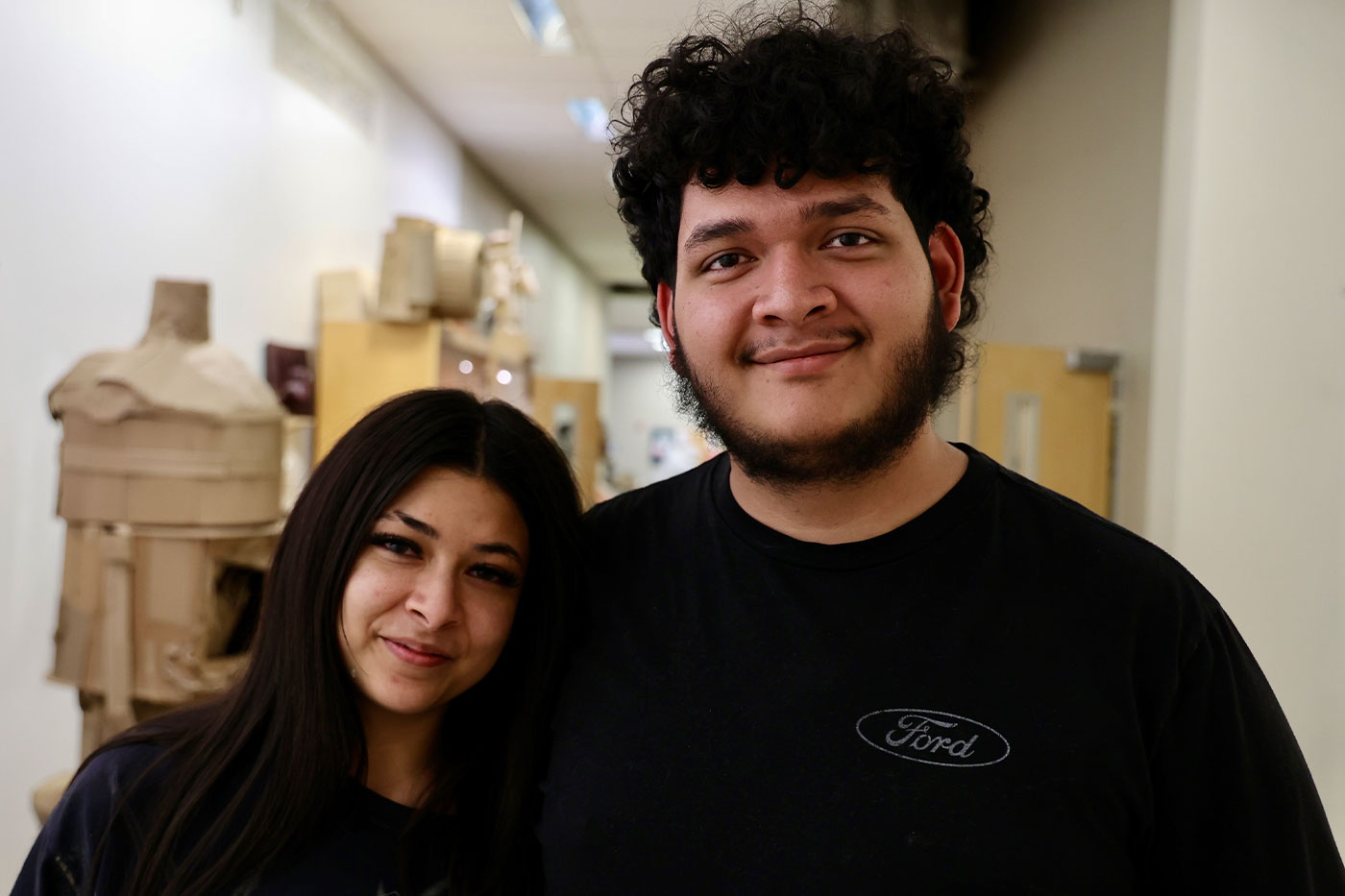
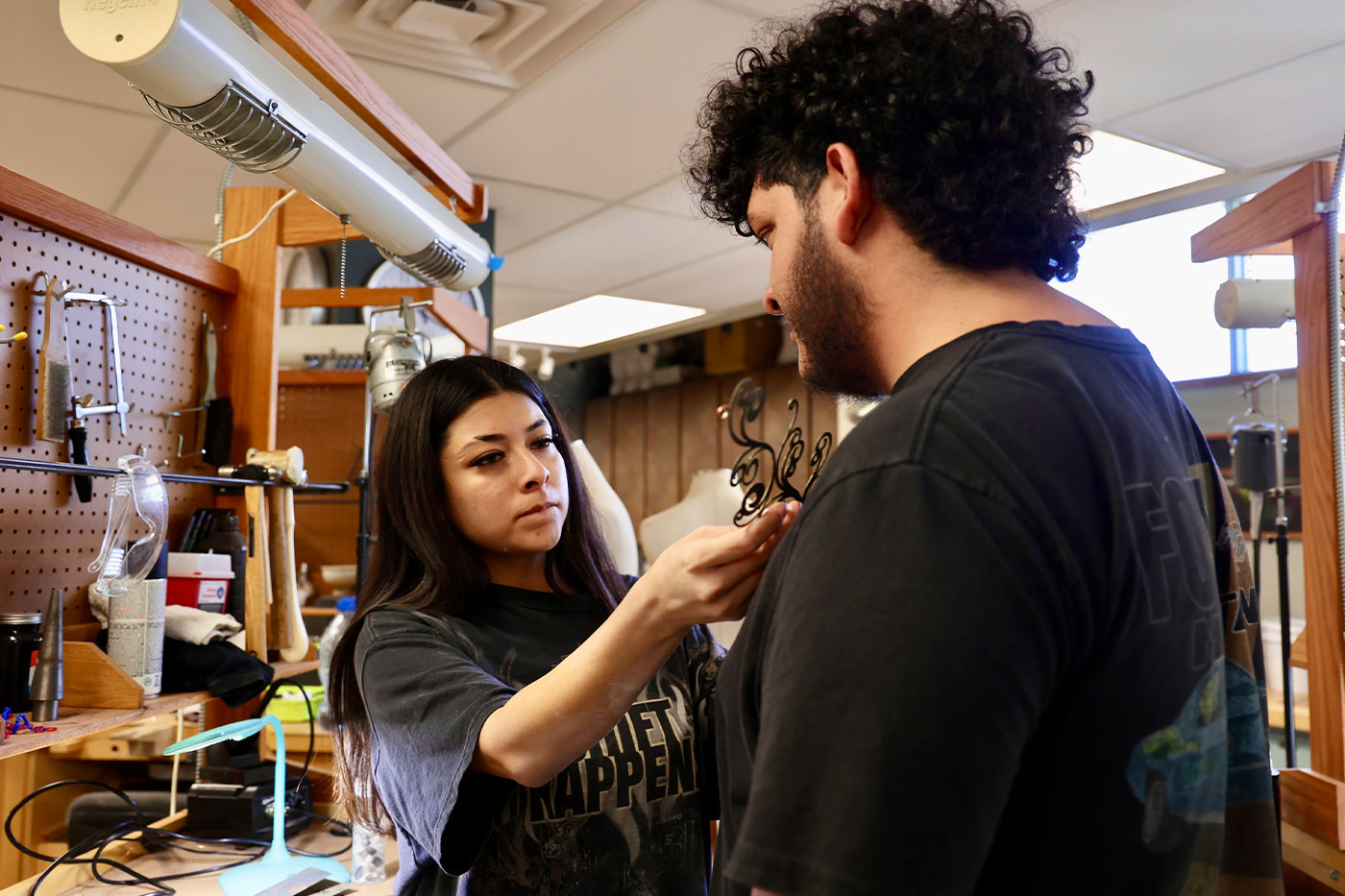
Ruby with her curly head of hair sits at a wooden work bench in the far corner of the studio, bouncing design ideas off her brother. Alex, with matching ringlets and dark hair, banter with his sister, occasionally teasing her. On days when they’re absent, which is rare, the whole class notices the quiet. The sister and brother bring an energy to the room that’s become a staple of the space.
Ruby and Alex are not twins; Ruby is 23 and Alex is 19. They grew up in a one bedroom, one bathroom house in Fort Worth with their parents and two other siblings. The family of six is, as Ruby puts it, lower class and extremely close knit. They know their priorities – family, and everything else follows.
It’s that outlook that delayed the start of Ruby’s college career. That, and the COVID-19 pandemic.
When Ruby graduated high school in 2020, she had internships, fellowships and travel opportunities lined up. She hoped to study at an art studio and build a portfolio that would earn her a full ride to college.
But when the pandemic hit, those opportunities vanished.
Always an Artist
Pilar Murillo had seen herself in her daughter Ruby for as long as she can remember.
“Ruby knows what she wants and she fights to get it,” her mother says. “She’s always been artistic which is fun to watch because I identify a lot with her.”
Pilar is a seamstress. Ruby learned a lot about working with different materials, cutting and sewing, and bringing various pieces together to make something whole. Their father Samuel is a mechanic. Ruby can’t remember a time he wasn’t working with tools of all kinds, tinkering with parts until they worked together. Even as a young girl, she was fascinated by the soldering and the blades.
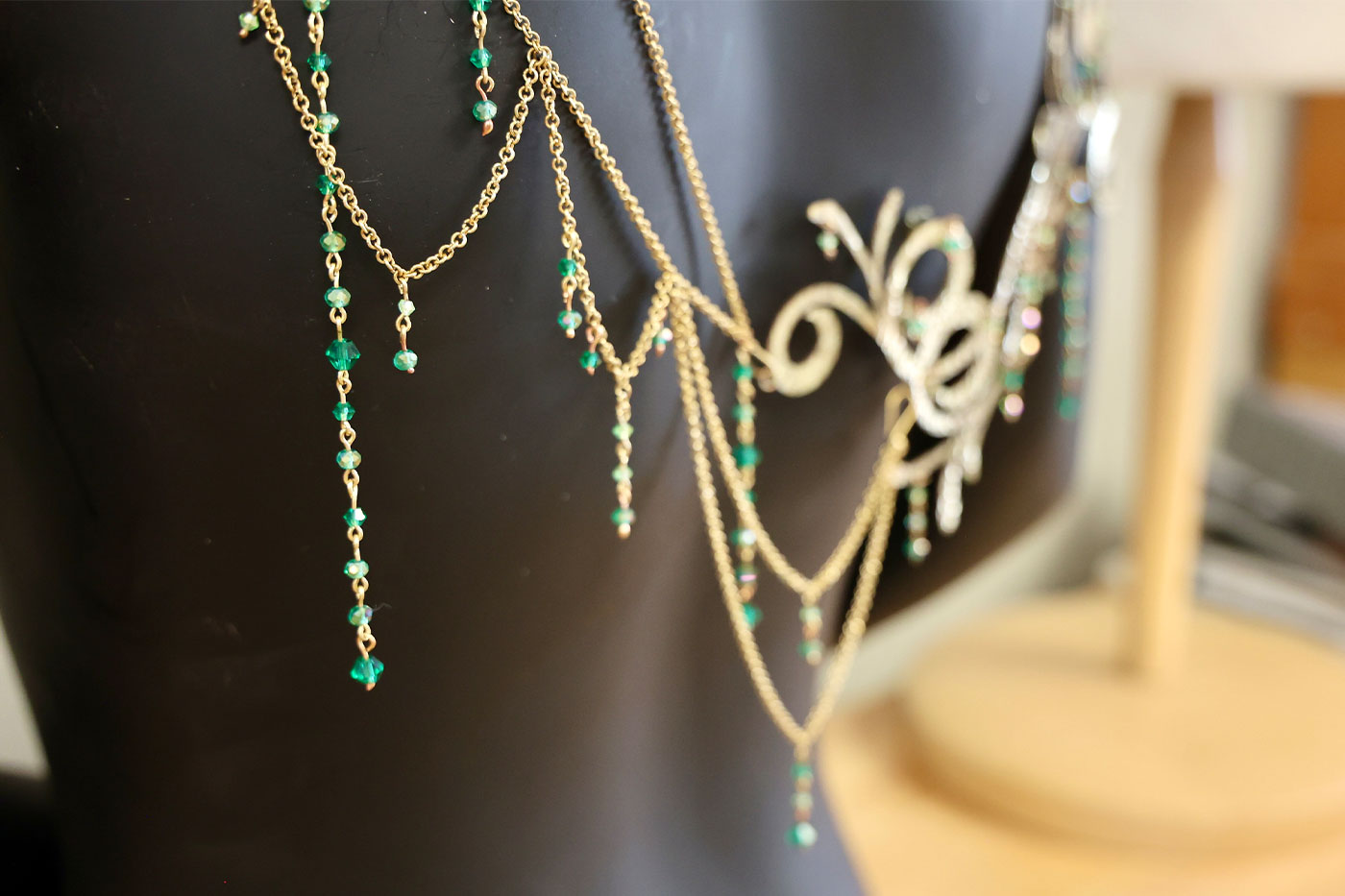
Explore Jewelry Design & Metalsmithing
Ruby expressed herself in many artistic ways. She drew and painted and sculpted and created with all kinds of materials. By the time she was in high school, she was making rosaries and selling them at her local church.
But even then, she wanted to try something more advanced.
That’s when she met Cheryl Evans-Rogers.
Evans-Roger teaches in Fort Worth ISD and has one of the most expansive high school art programs in the district. The passion she gained as an art student at Texas Tech is evident in everything she makes and every student she teaches.
“Ruby was such a tiny little thing when I met her,” Evans-Rogers remembers. “It was immediately obvious she had a real talent.”
While Ruby may have expected to play with wire beads, Evans-Rogers entrusted her students with torches, heavy metal and massive machinery. It was a full-working studio, and Ruby immediately felt at home there.
“I would dread the bell ringing because it meant I had to go to a different class,” she says.
As soon as school let out for the day, Ruby would rush back to the art studio and stay there until Evans-Rogers finally had to kick her out for the night.
The art instructor had one main philosophy: “If you’re going to make something, make something you’re proud of,” she told her students.
Ruby took the advice as gospel and poured herself into her jewelry. By the time she was an upperclassman she was winning national awards. She earned an invitation to a Saul Bell Design Award competition in New Mexico, and she earned a scholastic award that would take her to New York City.
All of this was forward momentum toward a portfolio that would get her into college. Then COVID-19 stripped her of those opportunities.
“I had so many plans for after graduating,” Ruby recalls. “I was going to travel to competitions across the U.S., and I had an opportunity to travel abroad with Mrs. Evans-Rogers.”
As a first-generation student, it was difficult for Ruby to navigate whether to push ahead and apply to college during such an unprecedented time.
“With the uncertainty brought by the pandemic and the shortages of daily necessities, it felt safer to focus on finding a stable income and support my family.”
Following in Her Footsteps
Alex has always looked up to Ruby, but the two bonded even more during the pandemic. Alex had just started high school and was doing schoolwork from home, which allowed him more time than usual to observe his sister’s craft.

Ruby secured a sales job during the day, but with whatever money she had left over after helping with bills and food, she slowly began to invest in her own jewelry making tools.
“Jewelry making was my outlet in high school, and it continued to be during that time,” Ruby says. “My father saw how much it meant to me, and he encouraged me to keep pursuing my art and even start my own business.
Alex, who had only noticed the end-product of his sister’s work before the pandemic, was watching her craft with new eyes as he admired the specialized hammers, drills and acetylene torch.
By the time school reopened its doors, Alex was ready to enroll in Evans-Rogers class, too.
“Mrs. Evans-Rogers didn’t just teach me about art, she taught me about life,” Alex says, reflecting on his time in high school.
Like his sister before him, Alex showed great promise as an artist.
“At first, he was really shy,” Evans-Rogers remembers.
But there was a deep sense of inquiry and creativity churning beneath the surface. His first year in class, Alex ended up creating a jewelry piece for a state competition which won a gold seal.
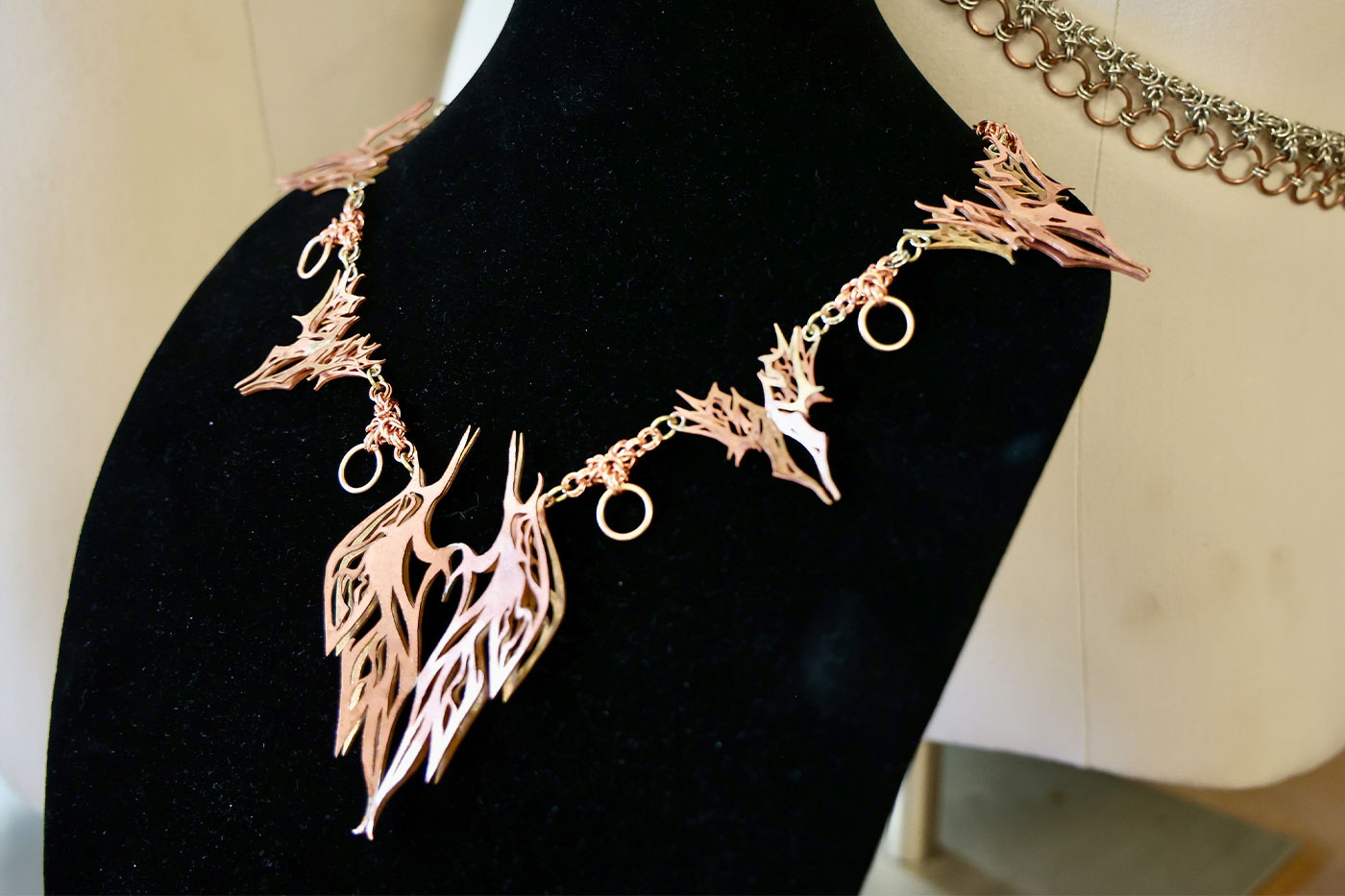
He set the bar high and repeatedly hit it.
“Both Ruby and Alex come from a family of hard workers,” Evans-Rogers says.
Meanwhile, Ruby continued to create pieces out of her home studio and tried to start a business doing what she loved. This was difficult during the aftermath of the pandemic when many people were not prioritizing purchases such as jewelry.
But one year bled into the next, and soon, four years had passed. Alex was preparing to graduate high school, and the conversation of higher education crept up again.
An Impossible Choice
Pilar urged Ruby to apply to college with her brother, but their father didn’t see that as a realistic plan.
One evening, he pulled Ruby aside; discomfort etched across his face.
“I’m not sure we can send two kids to college,” he confessed.
He thought Alex should go, and that Ruby with her tools, her business and her four years of experience, could learn from her brother when he returned home.
Disappointment washed over Ruby’s face as her father spoke, but love for her brother gave her resolve – she also wanted Alex to attend college.
Thankfully for Ruby, when Alex heard of this plan, he put his foot down.
“I don’t want to go unless she comes with me,” he declared.
He wasn’t the only one.
Evans-Roger had seen this moment coming. She’d been working with them to apply to Texas Tech’s School of Art.
She remembers the afternoon they came to visit her.
“We don’t think we’ll both be able to go,” Ruby told her.
There was no way her mentor was going to let Ruby defer her dream again. She called her former professor, Robly Glover.
“Rob, I need to talk to you,” she told him over the phone. “I’ve never asked you this before, but I’m asking you to help me find a way to get both of these students there.”
For both Ruby and Alex to attend, they’d need a lot of scholarships, which required hours of filling out applications. Evans-Rogers helped the siblings traverse financial aid, download forms and create a schedule of application deadlines.
“I try to get all my students to Texas Tech first,” Evans-Rogers says. “I know they’ll have a great experience like I had, maybe even better now that new facilities have been added.”
Glover had gone to the dean of the college with the conundrum of getting both Ruby and Alex on campus, and made a case for them, showing their portfolios, transcripts and personal statements.
“We need to support talent, and we found a high degree of artistic talent in these two siblings,” said Martin Camacho, dean of the J.T. & Margaret Talkington College of Visual & Performing Arts. “This was an opportunity to support a team of siblings who would support each other not only in their academic and artistic pursuits, but also in their personal lives. The decision to provide them with a merit scholarship was not difficult.”
In It Together
The first days on campus were not easy.
Five hours from home, a quiet apartment with only two people was its own kind of culture shock. But the look of pride on their parents’ faces when they showed off their student IDs was a joyous moment that is etched in their memories.
“Being at Texas Tech is going to open so many doors for them,” says Pilar, as she sips coffee from a mug Ruby crafted in ceramics.
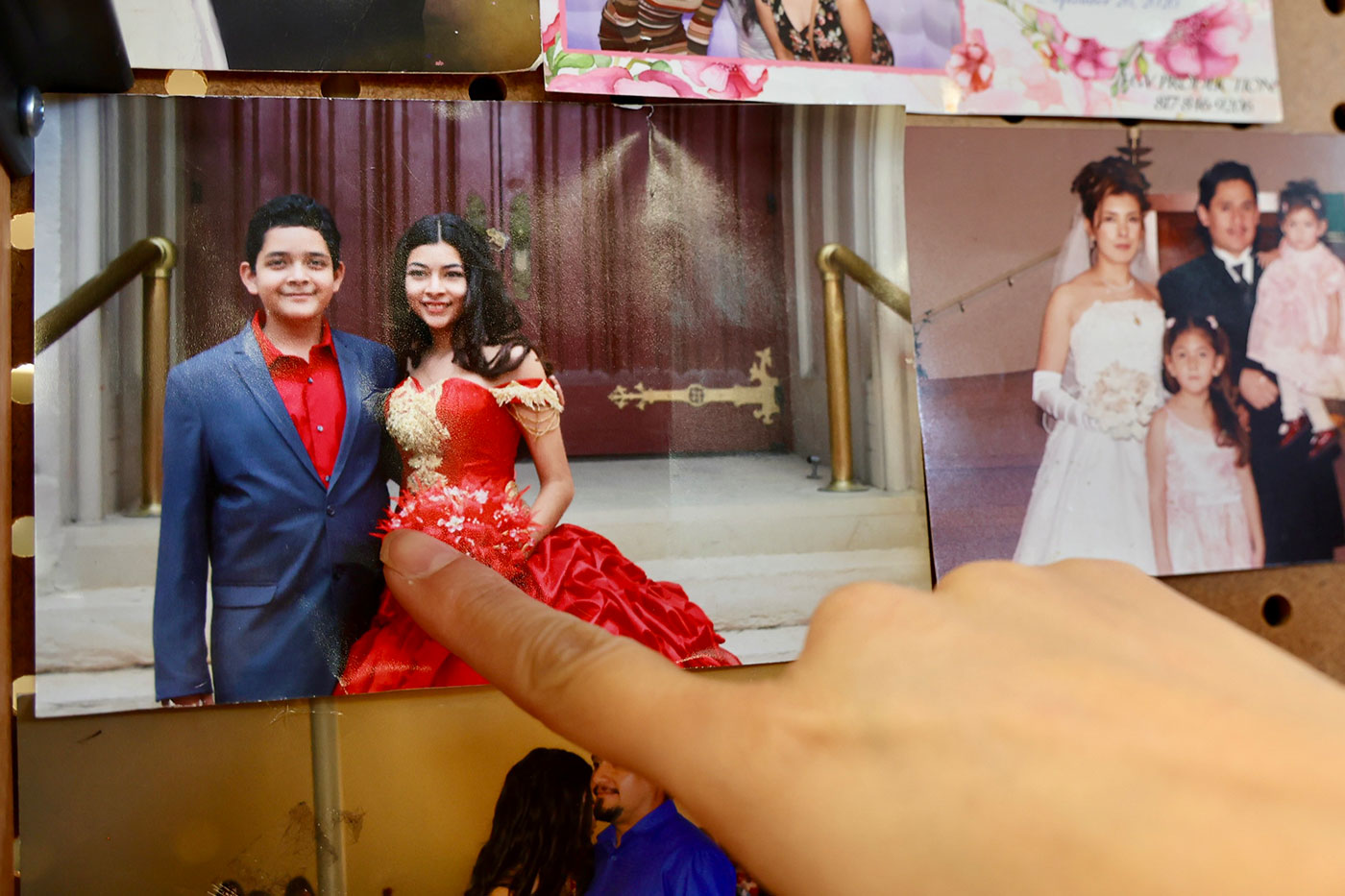
Their mother enthusiastically shows off tableware and jewelry her kids bring home during the holidays. It’s moments like these that keep the siblings going.
“If I were to have done this alone, I would have probably considered dropping out my first year,” Ruby admits.
But the sister and brother team are thriving in college because they went together. Each new skill learned is celebrated, they pick each other back up after disappointment, and they’ve even created a shared friend group.
Their favorite part of being on campus though, is their work benches in the 3D Art Annex. They admit they thought they’d seen everything in Evans-Rogers class, but gaining access to the facilities and the faculty at Texas Tech revealed a whole new world.
When pressed for plans after graduation, Ruby and Alex are clear – it comes back to taking care of family.
“We want to retire our parents,” Ruby says.
After that, they have dreams of owning their own business and helping other first-generation students who may need a gentle nudge forward.
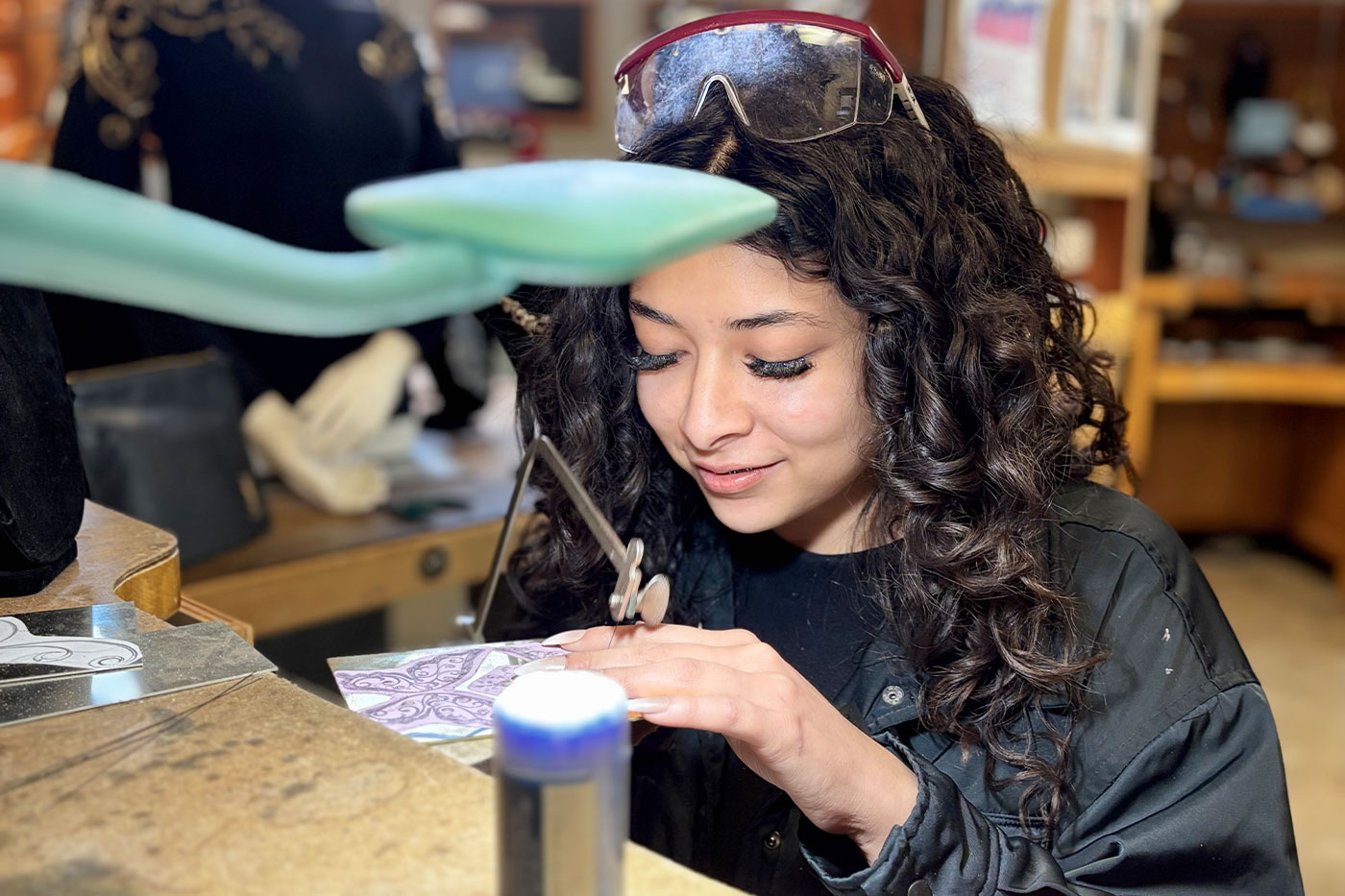
“I was stuck before I came to Texas Tech,” Ruby says.
She had to grieve the opportunities that had been taken away from her during the pandemic. She says she was often tempted to feel sorry for herself over the four years she lost, but she no longer feels that way.
“I used to be resentful that I didn’t get to start college when I wanted to,” she says. “But now, I’m just grateful.”