
Human Development & Family Sciences
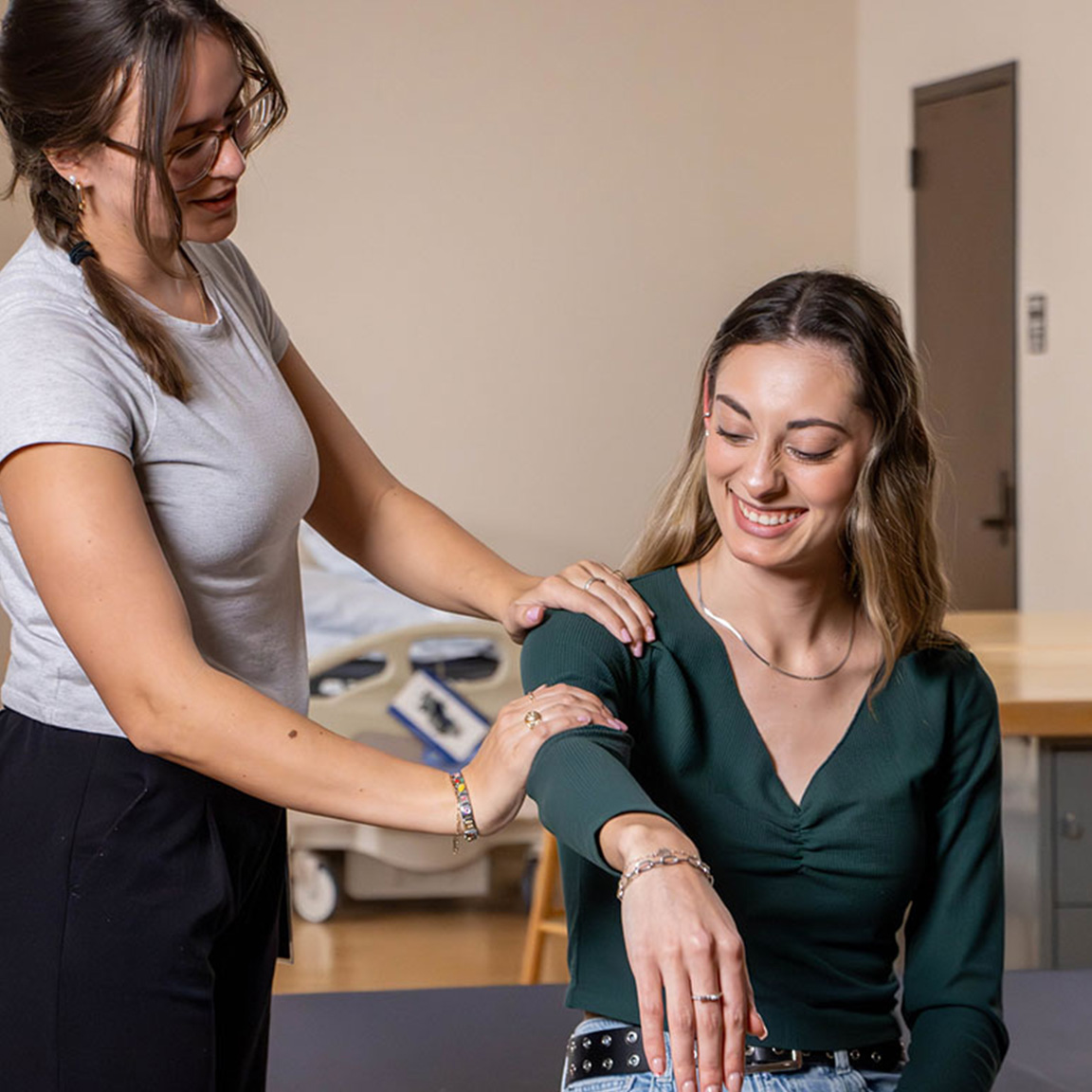
People are at the heart of everything, and Texas Tech's Human Development & Family Sciences program prepares students to make a meaningful difference in their lives. This Bachelor of Science explores human development from infancy through late adulthood within the context of family, relationships, and community. The degree is a popular pre-health professions pathway, particularly for students pursuing occupational therapy, and opens doors to careers in social services, health care, advocacy, education, and graduate study.
Strengthen Families. Change Lives.
Explore what makes Human Development & Family Sciences at Texas Tech a research-driven, community-focused, career-ready program.
Degree & Course Details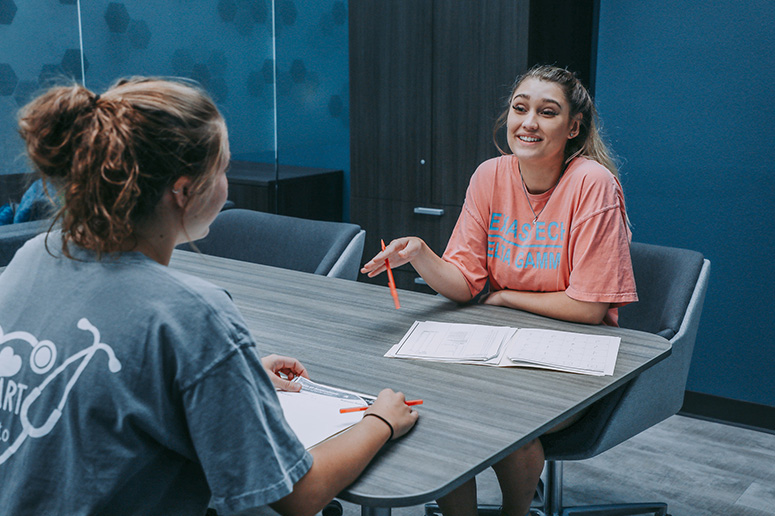
Hands-on Research and Training
Students access top research facilities, including the Child Development Research Center and the Center for Early Head Start, from their first year onward.
Internship and Industry Readiness
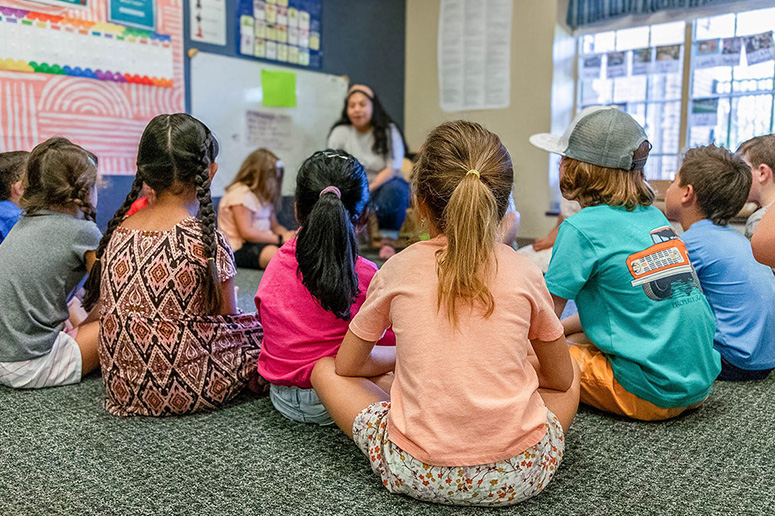
A tailored community practicum connects students with schools, hospitals, nonprofits, adoption agencies, and family service organizations, building career-ready experience before graduation.
Signature Events & Experiences
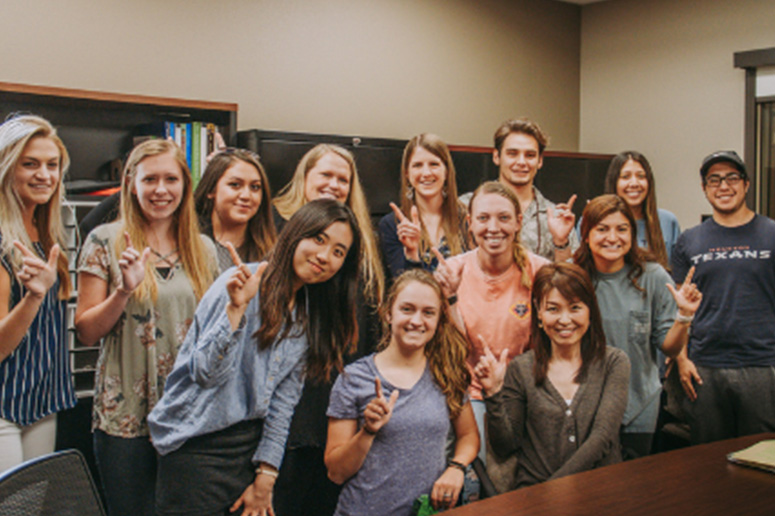
Students conduct research in on-campus labs, present at student conferences, and explore study abroad opportunities, building a well-rounded academic experience inside and outside the classroom.
Key Courses
View Degree Courses in Catalog
HDFS 2303 - Life Span Human Development
Introduction to the theories, processes, and enhancement of development for infants, young children, adolescents, and adults.
- View in Catalog
- Credit Hours: 3
HDFS 3320 - Contemporary Families
Analysis of family interaction patterns with an introduction to family research. A study of family heritage, development, and networks. Emphasizing sociocultural variations of families.
- View in Catalog
- Credit Hours: 3
HDFS 2322 - The Development of Intimate Relationships
Intimate relationship development throughout the lifespan with an emphasis on relationship processes, different types of intimate relationships, and developmental/contextual variations in relationships.
- View in Catalog
- Credit Hours: 3
HDFS 3301 - Theories of Human Development and Family Sciences
The major theories in human development and family studies. Course focuses on the meaning of theory to individual and family development over the lifespan. Implication of theory and program development and services are reviewed.
- View in Catalog
- Credit Hours: 3
Accelerated B.S. to M.S. in Human Development & Family Sciences
Texas Tech's Human Development & Family Sciences Accelerated Bachelor's to Master's lets qualified students (3.0+ GPA) overlap 9 graduate credits in their final undergrad year—earning both degrees in 5 years while saving time, tuition, and debt for quicker workforce entry with advanced skills and higher earnings
Alumni Impact
Our Human Development & Family Sciences graduates are making an impact in family law, education, child centers, and research.

Rachel Meharg Castillo '12
Human Development & Family Sciences
Certified Child Life Specialist (CCLS) at Cook Children's Medical Center
Rachel Meharg Castillo
Robin Averhoff '12
Human Development & Family Sciences
Supervisor, Patient Experience at Covenant Health
Robin AverhoffCareer Paths and Salary Ranges
Human Development & Family Sciences graduates are shaping lives through diverse careers in social services, health care, and more.
Financial Aid and Scholarships
Incoming students are considered for merit scholarships when they apply for admission. Admitted students can find additional internal and external scholarship opportunities through Scholarship Universe.
All ScholarshipsDean's Scholar Program
Guaranteed scholarships available for high-achieving students who declare a major in the College of Health & Human Sciences across all four years.
Academic Support Team
Meet a few of the individuals you'll learn from and work with. Explore their expertise and visit their profiles to connect.
View Faculty Directory Explore Research Labs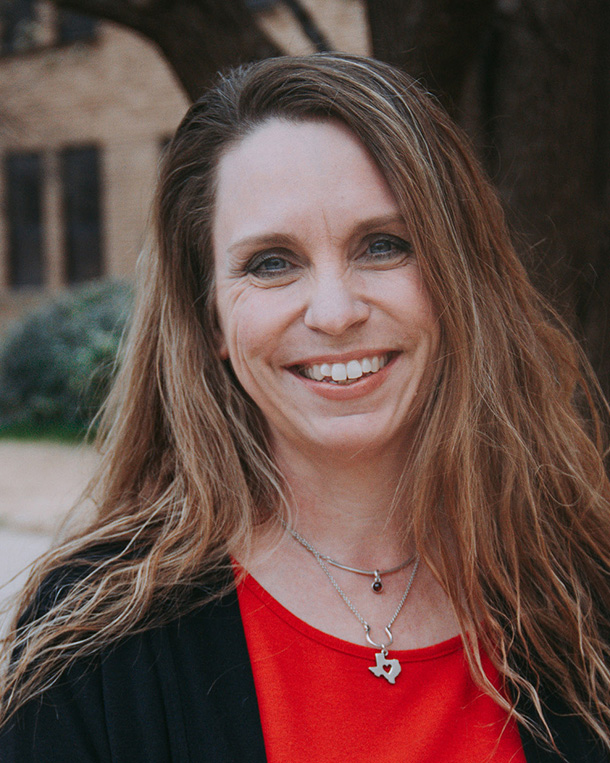
Shera Thomas-Jackson
Program Director
Human Development & Family Sciences
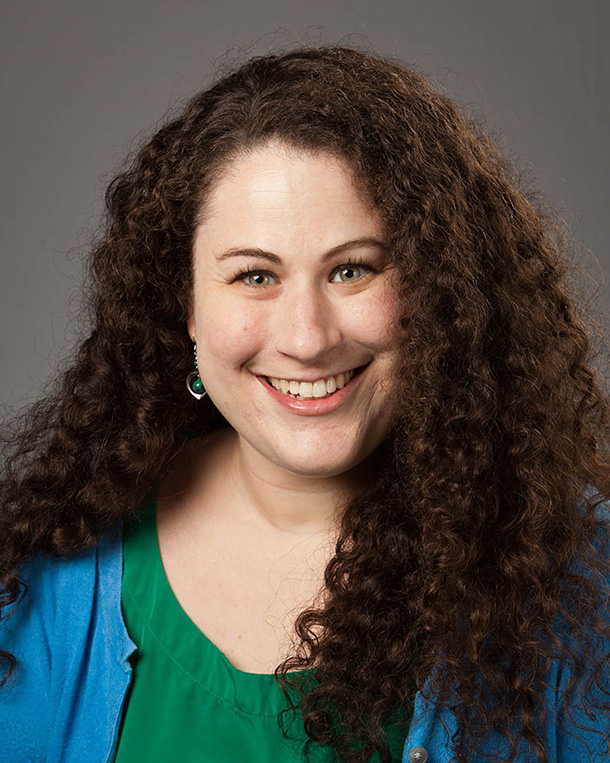
Dana Weiser
Department Chair
Human Development & Family Sciences
Program Overview
Student Organizations & Experiences
Student Organizations-
Children's Health and Medical Program (CHAMP)
CHAMP is a student-led outreach club for 4th to 7th graders, held twice a month at the Lubbock Public Library. Through hands-on sessions, kids explore topics like the human body, nutrition, and first aid. Our mission is to inspire curiosity and confidence, helping children grow and think like young change-makers.
-
Human Development & Family Sciences / Early Childhood Education (HDFS ECE) Ambassadors
The HDFS ECE Ambassadors are comprised of undergraduate students majoring in Human Development & Family Sciences and Early Childhood Education. The Ambassadors serve as a collective voice of the students by addressing the needs within the department and work together to create a solution.
HDFS ECE Ambassadors -
Phi Upsilon Omicron
Phi Upsilon Omicron is an honor society for exceptional scholars in the College of Health & Human Sciences at Texas Tech. Focused on academic excellence and leadership through service, the honor society invites students with 40+ credit hours and a 3.25 GPA to join each Fall and Spring semester.
-
Texas Tech Council on Family Relations (CFR)
Texas Tech CFR members and stakeholders are committed to fulfilling the organization's mission by providing networking sessions, guest speaker meetings, service opportunities, and social events. The council aims to create an educational forum for researchers, educators, and practitioners to share knowledge about families, establish professional standards, and promote family well-being.
-
Practicum Sites
The community practicum requirement allows Human Development & Family Sciences seniors to earn course credit while gaining hands-on experience at chosen sites. Most pre-approved sites are in Lubbock, with a few outside the city. Students interested in external sites must follow a process to recruit a new host for their practicum.
Practicum Sites -
Undergraduate Research Labs
Students can conduct research across faculty projects spanning individuals, couples, and families across the lifespan, and benefit advanced facilities, including the Child Development Research Center and more.
Undergraduate Research Labs
Related Programs
Human Sciences
The Bachelor of Science in Human Sciences lets students customize their degree by exploring three areas within the College of Health & Human Sciences.
Learn about Human SciencesEarly Childhood Education
The Bachelor of Science in Early Childhood Education prepares professionals to support child development from infancy through sixth grade within various contexts.
Learn about Early Childhood EducationHuman Development & Family Sciences Minor
This minor explores human development across the lifespan, emphasizing relationships and societal influences, and requires the completion of 18 credit hours.
Learn about Human Development & Family Sciences, Undergraduate MinorCounseling & Addiction Recovery Sciences
The degree prepares students for careers in counseling and human services, emphasizing clinical skills, ethics, and multicultural competence.
Learn about Counseling & Addiction Recovery SciencesCommunity, Family, & Addiction Sciences Minor
The minor in Community, Family, & Addiction Sciences is for students interested in counseling, relationships, and human services.
Learn about Community, Family, & Addiction Sciences MinorReady to Take the Next Step?
Reach out to our team to learn more about the incredible opportunities at Texas Tech.
Frequently Asked Questions
What career paths are available for graduates?
Graduates pursue careers in social services, health care, child advocacy, youth development, human resources, nonprofit agencies, education, and social justice, among many other fields.
Is Human Development & Family Sciences a good major for a pre-health professions degree?
Yes. The major is a popular pre-health professions pathway, particularly for students pursuing occupational therapy, and provides a strong foundation for medicine, nursing, allied health, and law.
What hands-on experience will I gain?
Students complete a tailored community practicum and conduct undergraduate research in on-campus labs, including the Child Development Research Center and Center for Early Head Start.
Can students add a teaching certification to their degree?
Yes. Students can add a Family & Consumer Sciences secondary teacher certification, qualifying them to teach in Texas public school systems grades 6 through 12.
What theoretical frameworks are taught in the program?
Students learn to apply the family stress model, bioecological model, and systems theory approach, building a strong foundation for careers in health care, social services, and graduate study.
What agencies and organizations employ graduates?
Graduates work with agencies including Communities in Schools, United Way, the YWCA, and Big Brothers Big Sisters, as well as hospitals, nonprofits, and government programs serving families and children.
Programs
-
Address
Texas Tech University, 2500 Broadway, Lubbock, TX 79409 -
Phone
806.742.2011 -
Email
webmaster@ttu.edu