
Food Science

Food Science is a hands-on blend of STEM disciplines which prepares students to help feed a growing global population through careers in the trillion-dollar food industry, including processing, preservation, food safety and innovation.
Students can choose from two concentrations to align with their career goals:
- Industry Concentration - Combines science and technology to prepare students for careers in food production, manufacturing, product development, technical sales, regulatory affairs and related fields.
- Science Concentration - Follows learning objectives recommended by the Institute of Food Technologists, preparing students for graduate study or pre-professional pathways.
Both concentrations include a required internship or research project, ensuring graduates gain valuable hands-on experience before entering the workforce.
In Pursuit of Excellence
Learn more about the Food Science program through student testimonials and faculty highlights.
Degree & Course Details
Learn by Doing
Animal Science students gain hands-on experience through faculty-led research and access to state-of-the-art facilities, including five specialized labs and an on-site retail store.

Competitive Teams
Davis College offers students opportunities to compete, lead and gain hands-on experience while becoming part of a tradition marked by 100 national championships.

Industry Connections
Through strong industry partnerships, Food Science students gain access to networking opportunities, internships, and hands-on experiences with leaders across agricultural and food sectors.
Key Courses
View Degree Courses in Catalog
FDSC 2300 - Principles of Food Technology
Basic information necessary to understand technological aspects of modern industrial food supply systems. A fundamental background in food classification, modern processing, and quality control.
- View in Catalog
- Credit Hours: 3
FDSC 3301 - Food Microbiology
Study of method for preservation of food with respect to control of microbiological growth and activity.
- View in Catalog
- Credit Hours: 3
- Prerequisite(s): MBIO 3400 or MBIO 3401 or permission of instructor.
FDSC 4403 - Food Chemistry
Chemical and physiochemical properties of food constituents. A comprehensive study of food components, their modification, and technology applications in food.
- View in Catalog
- Credit Hours: 4
- Prerequisite(s): CHEM 3305, CHEM 3105 or CHEM 2303/CHEM 2103 or permission of instructor.
FDSC 4304 - Field Studies in Food Processing and Handling
Visits to food processing and handling facilities and discussions of operations.
- View in Catalog
- Credit Hours: 3
Accelerated B.S. in Food Science to Master of Agribusiness
About the Accelerated ProgramPrograms offering accelerated bachelor's-to-advanced-degree pathways — like Texas Tech's Food Science BS to accelerated MAB — offer significant value. Students save time and tuition through six double-counted graduate credits, launch food industry careers with elite Rawls College business skills, gain higher earning potential, and incur less debt.
Meet our Alumni
Food Science graduates are making an impact across the food industry. Explore where our alumni are working and what they're building.

Newt Koemel
B.S. in Food Science and B.S. Animal Science 2021, M.S. Food Science from Texas Tech University 2024
Assistant Winemaker, Perissos Vineyards and Winery
Newt Koemel
Katelyn McCormick
Katelyn McCormick, B.S. in Food Science 2022, MBA Texas Tech University 2024
Dairy Ingredients Manager, Nelson-Jameson
Katelyn McCormickCareer Paths & Salary Ranges
Our Food Science graduates are making an impact across industries. Explore where our alumni are working and what they're building.
Financial Aid & Scholarships
Incoming students are considered for merit scholarships when they apply for admission. Admitted students can find additional internal and external scholarship opportunities through Scholarship Universe.
All ScholarshipsDavis College of Agricultural Sciences & Natural Resources
Davis College offers one of Texas Tech's largest and most accessible scholarship programs.
View Davis College Financial ResourcesDepartment of Animal & Food Sciences
Department-level scholarships are awarded to students based on academic performance, community involvement, and leadership.
View AFS Department ScholarshipsExternal Scholarships
Numerous opportunities for scholarships outside the university exist from professional and trade groups affiliated with the food industry. Academic advisors work with students to identify opportunities.
Program Faculty
Meet a few of the faculty and staff you'll learn from. Explore their passions and research interests, and visit their profiles to see publications, labs, and projects.
Faculty Directory Explore Research Labs
Leslie D. Thompson, Ph.D.
Leslie D. Thompson, Ph.D.Professor
Department of Animal & Food Sciences
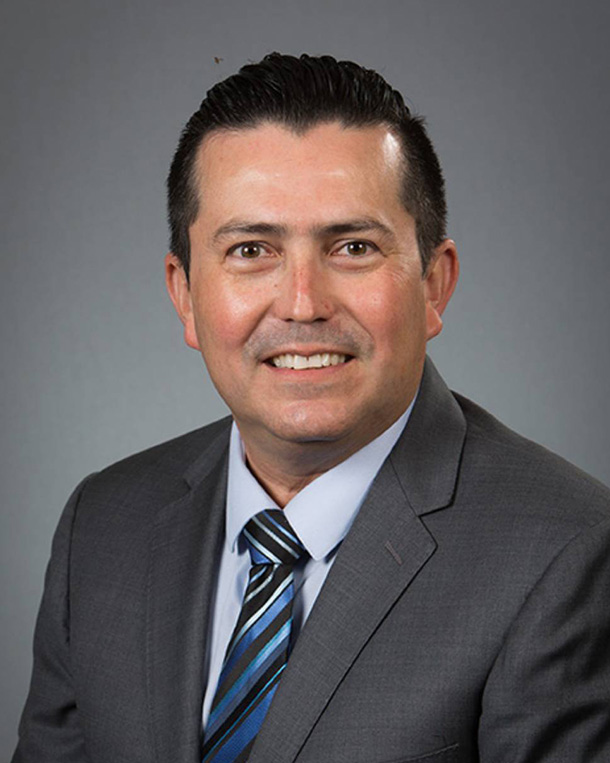
Alejandro Echoeverry, Ph.D.
Alejandro Echoeverry, Ph.D.Associate Professor of Practice
Department of Animal & Food Sciences

Angela Walla, Ph.D.
Angela Walla, Ph.D.Professor
Department of Animal and Food Sciences
Food Science Competitive Teams & Student Organizations
-
Student Organizations
Select from a variety of student clubs and organizations related to your field of interest.
Student Organizations -
Student Agricultural Council
The Student Agricultural Council supports all Davis College competitive teams, clubs, and organizations. They work to establish and maintain a working relationship between students, faculty, administration, and the Davis College community. The officers oversee Davis College events including Ag Fest, Winter Welcome, and banquets throughout the year.
Student Agricultural Council -
Agri-Techsans
Agri-Techsans are a select group of students who assist with recruiting for and promoting the Davis College and Texas Tech. They travel all over the nation to speak to prospective Red Raiders and families.
Agri-Techsans -
Ambassadors for Agriculture
Ambassadors for Agriculture members dedicate their time to advocate for agriculture in and out of the classroom, serve the community by volunteering at various locations, and educate youth with activities relating to agriculture, natural resources, and landscape design.
Ambassadors for Agriculture -
MANRRS
MANRRS organization offers a welcoming community that brings together people from a wide range of experiences, all working toward a stronger future for students and professionals in agriculture, natural resources, and related sciences.
MANRRS
Related Programs
Agricultural Communications Minor
A minor in Agricultural Communications allows you to learn how to communicate and advocate for the agricultural industry through comprehensive coursework.
Agricultural Communications MinorAgribusiness Management Minor
The Agribusiness Management minor requires 18-credit hours of Agricultural and Applied Economics courses focused on economics and business.
Agribusiness Management MinorNatural Resources Management Minor
The Natural Resources Management minor requires 18-credit hours and teaches students basic principles and management skills to support ecological systems.
Natural Resources Management MinorAgricultural Policy Advocacy Certificate
This certificate is 12-credit hours and prepares students for future careers in agricultural policy and law.
Agricultural Policy Advocacy CertificateReady to Take the Next Step?
Reach out to our team to learn more about the incredible opportunities at Texas Tech.
Frequently Asked Questions
-
Why is the college called Davis College of Agricultural Sciences & Natural Resources?
The Davis College is named after Dr. Gordon W. Davis and wife Joyce, whose $44 million gift is Texas Tech’s largest donation.
-
What is the mission of Davis College?
Davis College develops ethical global leaders solving grand challenges through teaching, research, and engagement, partnering to strengthen agriculture, natural resources, and quality of life in West Texas and beyond.
-
Where is the Davis College Learning Community located?
The learning community is in Murdough Hall, made up of only Davis College majors and has male and female wings. Take a virtual tour of Murdough Hall.
-
What support resources are available to students?
The Dr. Bill Bennett Student Success Center recruits and supports Davis College students, offering guidance on organizations, academics, scholarships, internships, events, resources, and career development.
-
What is the difference between the two food science concentrations - industry and science?
Both concentrations equip graduates for entry-level roles in food and allied industries. The science concentration prepares pre-professional or graduate-bound students in food science.
-
Is an internship or research experience required for food science majors?
Yes, the food sciences degree requires at least one internship or research experience.
Programs
-
Address
Texas Tech University, 2500 Broadway, Lubbock, TX 79409 -
Phone
806.742.2011 -
Email
webmaster@ttu.edu