
Architecture / Civil Engineering (Dual)

Our dual degree in Architecture and Civil Engineering provides a thorough and comprehensive education for designers and engineers. In collaboration with the Edward E. Whitacre Jr. College of Engineering, we emphasize research and scholarship, training students in the basic and engineering sciences while exposing them to cutting-edge technologies, internationally recognized programs, hands-on research experiences, and distinguished faculty. Our graduates are equipped to create meaningful, sustainable, and innovative design that advances the knowledge, discipline, and practice of both engineering and architecture.
The Future of Design
Learn more about opportunities and resources at the Huckabee College of Architecture.
Degree & Course Details
Award-Winning Facilities
Our Digital Fabrication Lab, Print Bureau, and Wood Shop are equipped with advanced technology designed to place students at the forefront of design and fabrication.

Career-Building Opportunities
Our students connect with architects from a variety of design professions through firm visits, guest lectures, the college career fair, and other professional development workshops.

Experiential Learning
Immersive course content and student experiences that provide hands-on learning through studio site visits, study abroad, internships, and learning opportunities outside the classroom.
Key Courses
View Degree Courses in Catalog
ARCH 1311 - Design, Environment, and Society
Introduction to architecture as an integral component of a complex world. Examination of societal and environmental contexts and appropriate design responses.
- View in Catalog
- Credit Hours: 3
ARCH 2311 - History of World Architecture I
Survey of the development of world architecture from pre-history to the Middle Ages.
- View in Catalog
- Credit Hours: 3
ARCH 3352 - Building Information Technology
Analysis of communication of technical information and the process of preparing documents for building construction utilizing Building Information Modeling (BIM).
- View in Catalog
- Credit Hours: 3
ARCH 4601 - Architectural Design VII
Provides instruction in advanced architectural design projects. Students develop integrated design skills negotiating the complex issues of program, site, and form in a specific cultural context. Integrates aspects of architectural theory, building technology, and computation into the design process.
- View in Catalog
- Credit Hours: 6
- Prerequisite(s): ARCH 3602.
Graduate Pathway Options
Accelerated bachelor’s-to-graduate degree pathways provide significant value for students by allowing them to blend select graduate courses into their undergraduate plan, potentially reducing both time to degree completion and overall tuition costs.
Such pathways can position students to enter the workforce sooner with advanced skills and credentials, which may translate into higher earning potential and lower student debt compared to pursuing the degrees separately.
Career Paths & Salary Ranges
Our graduates work in a wide range of industries. Learn more about where a degree in architecture can take you.
Financial Aid & Scholarships
In addition to the general scholarships available from Texas Tech, our college offers architecture-specific aid each year to students accepted into the pre-professional architecture program.
All Scholarships Huckabee College ScholarshipsArchitecture Fund for Excellence
This fund supports the greatest and most immediate needs of students, faculty, and staff.
Architecture Scholarship
This scholarship assists those in need and rewards students for excellence.
Additional Aid
Further financial aid or scholarships may be available based on academic performance or need-based qualifications.
Featured Faculty/Staff
Meet faculty and staff who will guide you during your education in architecture.
Faculty Directory
Lauren Joseph Phillips
Assistant Professor

Vondee Langehennig
Senior Academic Advisor
Student Organizations
View Student Organizations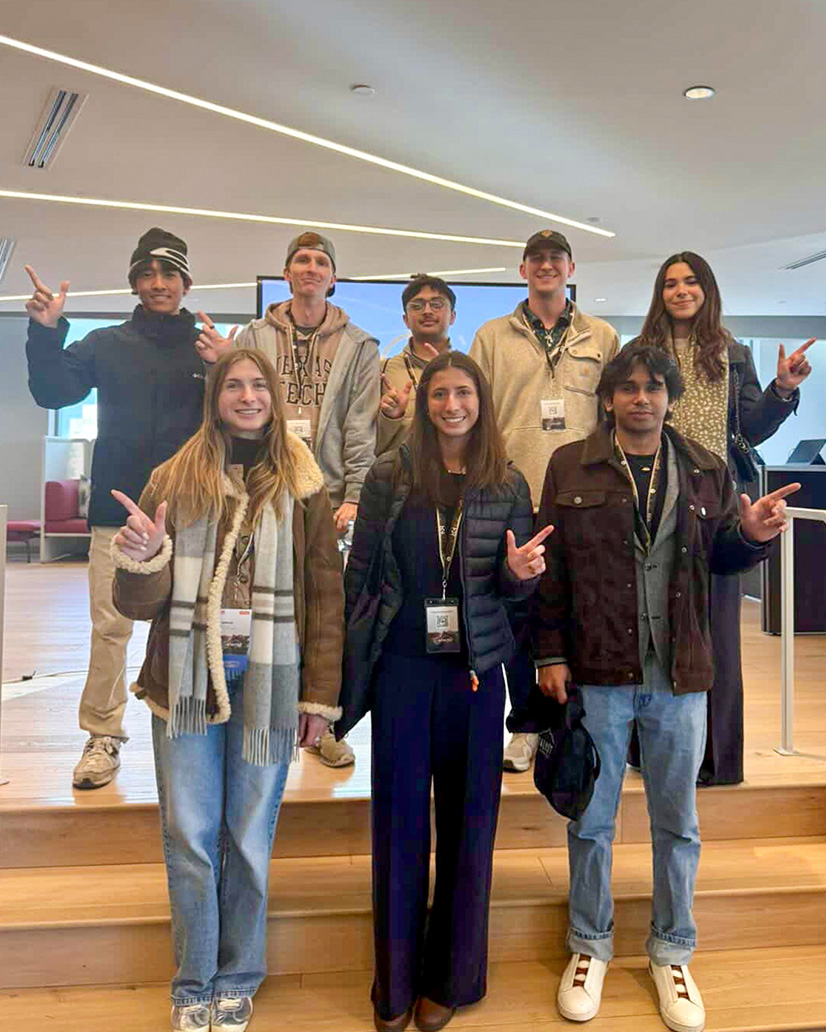
American Institute of Architecture Students (AIAS)
The AIAS is an independent, non-profit, student-run organization. This grassroots association is a cooperative between thousands of students of all ages and academic degrees committed to helping each other, providing a sense of community and a forum to share differing views.

CROP
CROP is a student-published collection of the best work produced within our program. Published annually, CROP showcases the most innovative, creative, and distinctive work throughout the academic year.

Knights of Architecture (KoA)
The Knights of Architecture is a student-run service organization that provides programs and events to further enrich the education of architecture students, enhancing their abilities and design knowledge through extracurricular educational opportunities.

National Organization of Minority Architecture Students (NOMAS)
NOMAS brings greater awareness to problems affecting minority groups within the architecture community through constructive dialogue. Working within a larger national network, NOMAS seeks to address the issues of discrimination, professional relationships, culture, and public policy as they relate to minorities in the architecture community.

Studio Hacks
Studio Hacks is a club designed to help architecture students learn the basic skills needed to succeed in their classes, including model-making, drafting, Adobe software, and Rhino software. The club advises students on projects and provides them with the tools needed to reach their full potential.
Ready to Take the Next Step?
Reach out to our team to learn more about the incredible opportunities at Texas Tech.
Frequently Asked Questions
Which core curriculum classes should I take first?
Students take ENGL 1301 and 1302 to build strong writing skills and MATH 1321, 1350 and PHYS 1403 to prepare for the pre-professional program.
Do I need to follow a specific course sequence?
Yes. Architecture core courses are sequential and offered in either fall or spring. Missing or failing these courses delays graduation.
What grades do I need to earn?
All degree plan courses, including architecture, core curriculum, and general electives, require a grade of C or higher. Lower grades must be repeated.
What is the purpose of undergraduate advising in architecture?
Advising supports your academic, professional, and personal development through intentional conversations, thoughtful planning, and meaningful connections to campus resources.
Are second- or third-year transfer students automatically accepted into the architecture
program?
No. Second-year transfers must complete the Undergraduate Comprehensive Review. Third-year transfers must complete the program’s review process; placement is limited and acceptance is not guaranteed.
How can I submit my high school dual credit?
For dual-credit hours to be applied, students are required to submit official college transcripts from the college where dual credit was earned.
Programs
-
Address
Texas Tech University, 2500 Broadway, Lubbock, TX 79409 -
Phone
806.742.2011 -
Email
webmaster@ttu.edu