
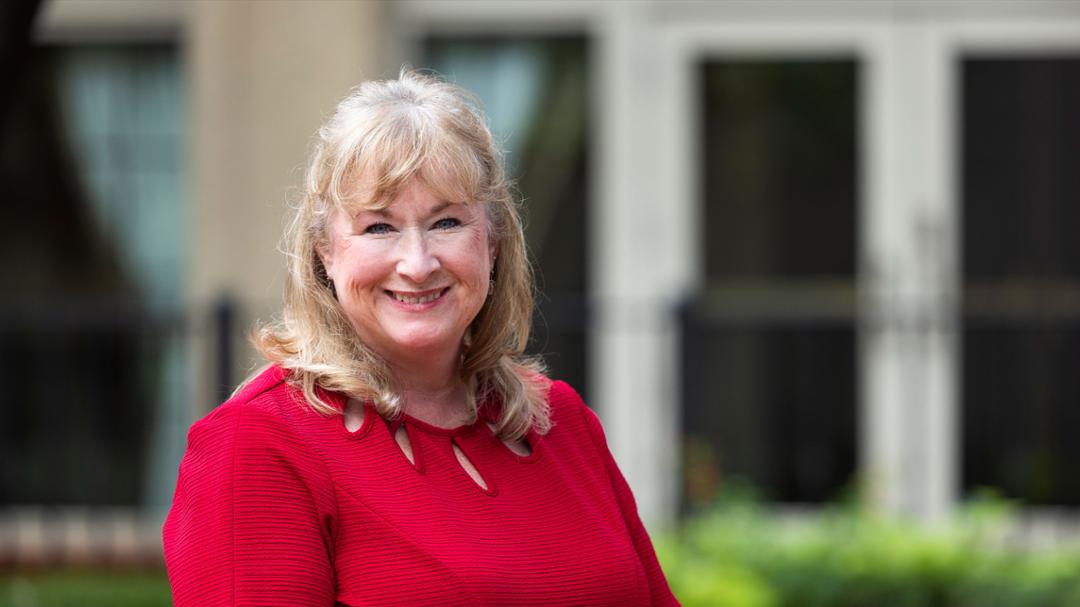

The Texas Tech newspaper served as a runway for former editor Linda Rutherford, building skills that helped her soar into a 33-year communications career at Southwest.
The Texas Tech newspaper served as a runway for former editor Linda Rutherford, building skills that helped her soar into a 33-year communications career at Southwest.
Linda (Burke) Rutherford stood out among incoming first-year students of Texas Tech University in 1984.
She carried herself with the confidence of a “latchkey kid,” a term she uses for the house key she wore around her neck as a 9-year-old child of just-divorced parents.
While many of her peers at college were learning to live without parental assistance for the first time, Rutherford had grown up unlocking the door to an empty house after school. As her mom was at work, Rutherford stepped up to a role well beyond her years, making sure her little sister was taken care of before getting dinner started.
She admits they weren’t exactly economically stable at the time. Rutherford’s mom made less than $5 an hour and they lived in a government-subsidized apartment complex in Carrollton, Texas.
Yet there was a sense of determination among the family that kept them moving not only forward, but upward.
“Failure was not an option,” Rutherford stated. “It was just sort of ‘hold hands and we’re going to figure it out.’”
Rutherford referred to the trio as a “power pack,” and that shared dynamic helped her brave the decision to become a first-generation college student. True to this mindset, Rutherford began to secure a variety of financial aid to afford the expense.
She did well but still lacked $1,000 of the tuition and room/board bill a few weeks before her high school graduation. Rutherford was in a scramble to figure out how to raise these funds.
That’s when she got a call from the Dallas Rotary Club. She was encouraged to apply for a memorial scholarship that would pay $2,000 not just once, but each year of college as long as she met the requirements.
“It was pennies from heaven,” Rutherford shared, still thankful she was the selected applicant.
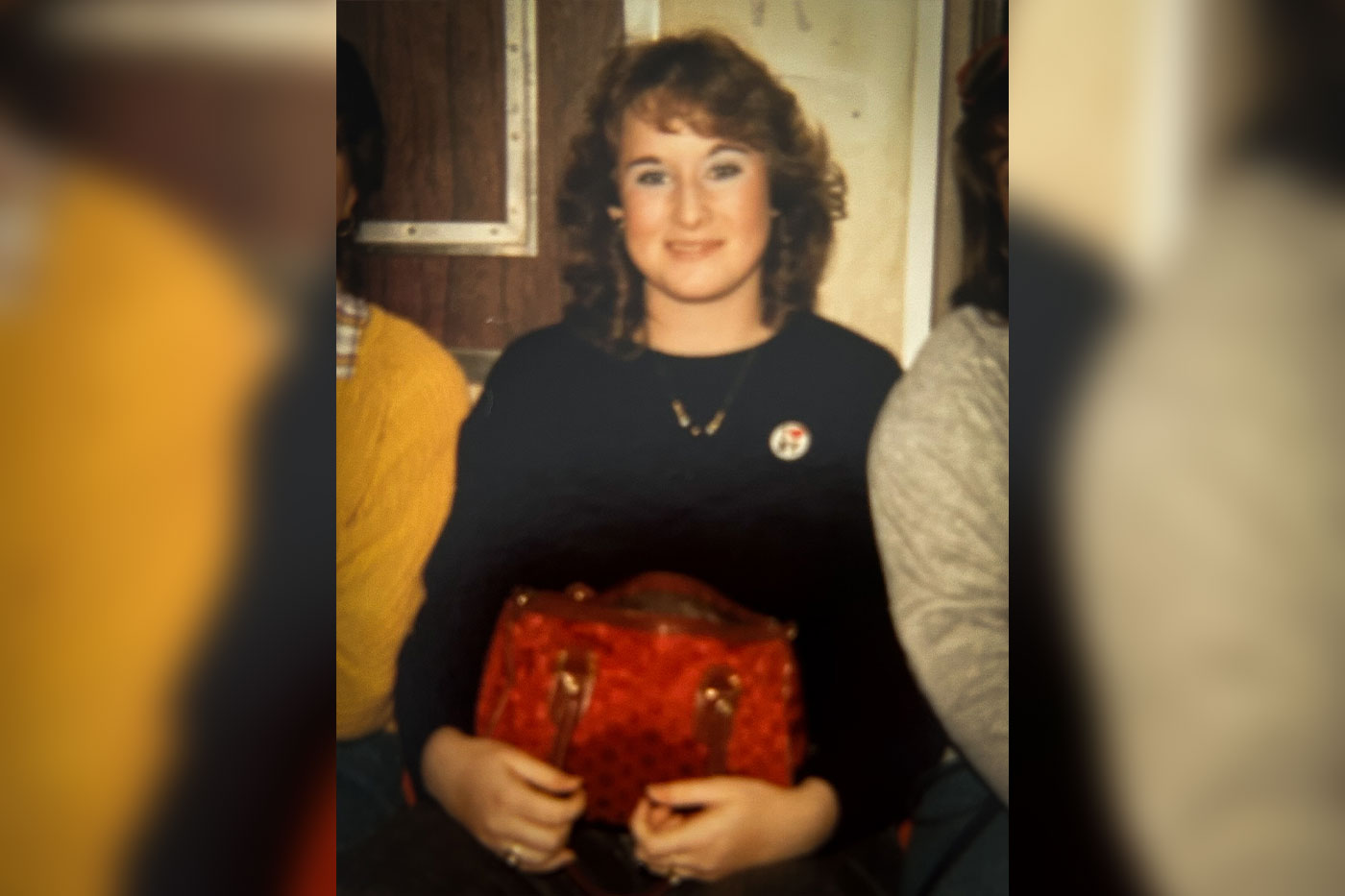
Rutherford needed to attend college in state and wanted to select a university where she could use her talents for journalism to not only gain experience but also to earn a paycheck. Texas Tech’s student-run newspaper, now called The Daily Toreador, was known as The University Daily at that time. Unlike other colleges she toured, she would be able to join the staff day-one as part of the freshman work-study program.
The gig was to write news briefs about campus organizations hosting events, and the opportunity was nothing short of phenomenal to Rutherford.
“I just felt giddy because I was able to work for a newspaper,” she said. “I worked for my high school newspaper and so I wanted that to keep going.”
She had checked all the boxes required to start her new venture in Lubbock, but there was one aspect of her departure Rutherford didn’t anticipate. It came in the form of a wicker basket box her mom handed her as a farewell gift.
Beneath the lid adorned with a bouquet of blue and purple synthetic flowers and a bow of matching ribbon were 20 ten-dollar bills – $200 that was a lot for a single mother to part with.
“I knew that she had saved…sorry, gonna get a little teary,” Rutherford shared with a sniffle, followed by a pause. “She had saved a long time for that, and so I was determined to make that money last a long time.”
Rutherford loaded the box with the rest of her bags to serve as a reminder of the collective resilience it took to earn a new key that would unlock her future.
Undertaking the University Daily
Rutherford found a happy place within her new home in The University Daily newsroom, joining a team of reporters, photographers and editors committed to using their talents to inform the campus community.
“Getting to work for the college newspaper was a huge honor,” she said. “Getting to meet people right off the bat and be responsible for creating news stories was super fun.”
Her mother’s voice sounded in Rutherford’s head during this time, reminding her to believe in herself and “fake it till you make it.”
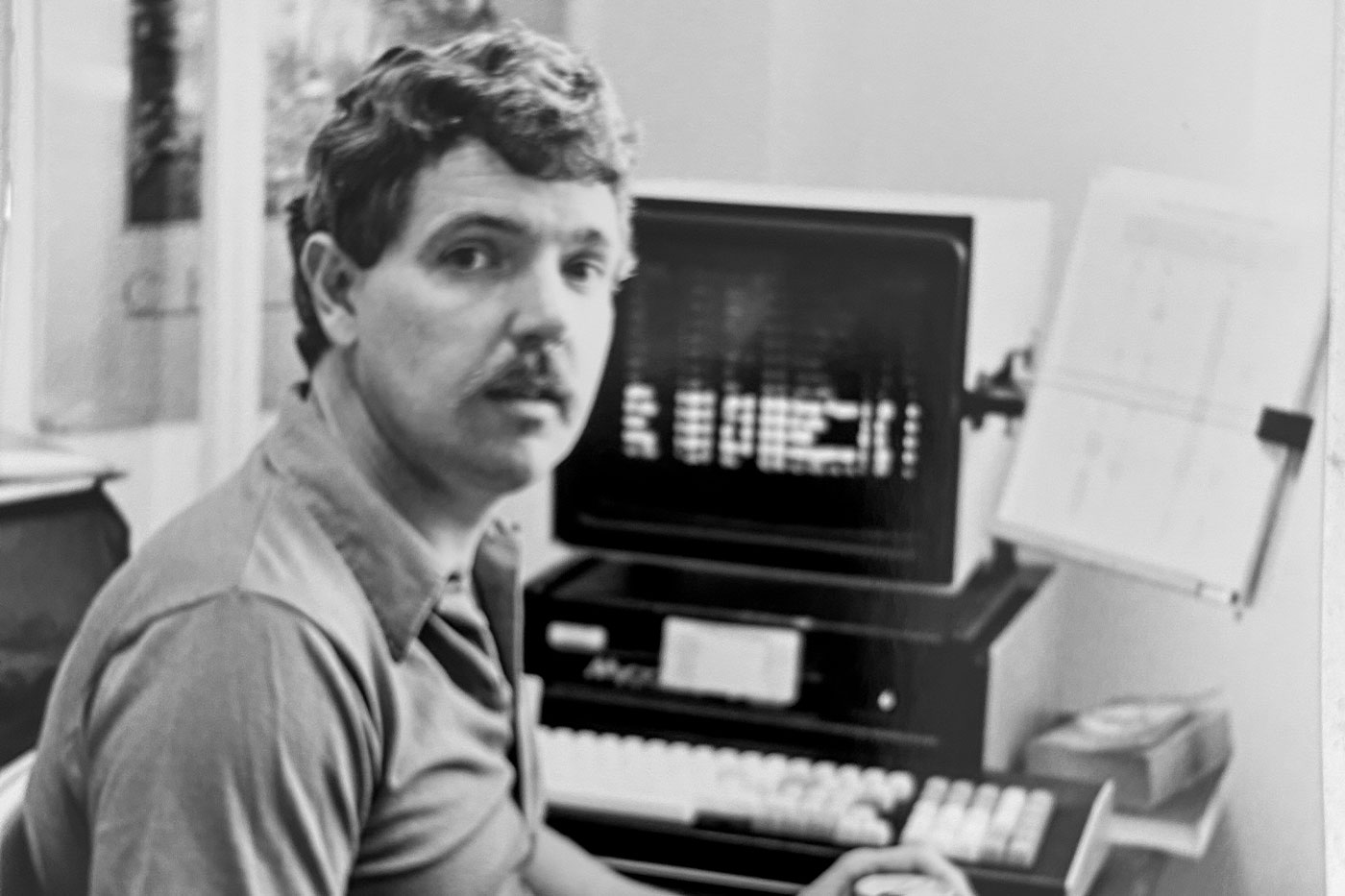
Yet, on the outside, Rutherford came across as well prepared and organized to The University Daily advisor, Mike Haynes.
“I remember her being an impressive student,” he said. “She asked questions, volunteered for whatever needed to be done, and when she turned in her stories, it was obvious that she had done a good job. You could just tell from talking to her that she had a lot of ambition and was a hard worker.”
Haynes challenged Rutherford to improve her craft, which was the kind of guidance she was looking for. She found even more direction from her journalism professors who solidified her preferred method of storytelling: clear and concise.
This style paid off when she was promoted at The University Daily to the police reporter position which meant daily visits to the Texas Tech Police Department to scan the police blotter for stories.
Rutherford not only gained a sense of news judgment from this experience, but also learned how to connect with her sources.
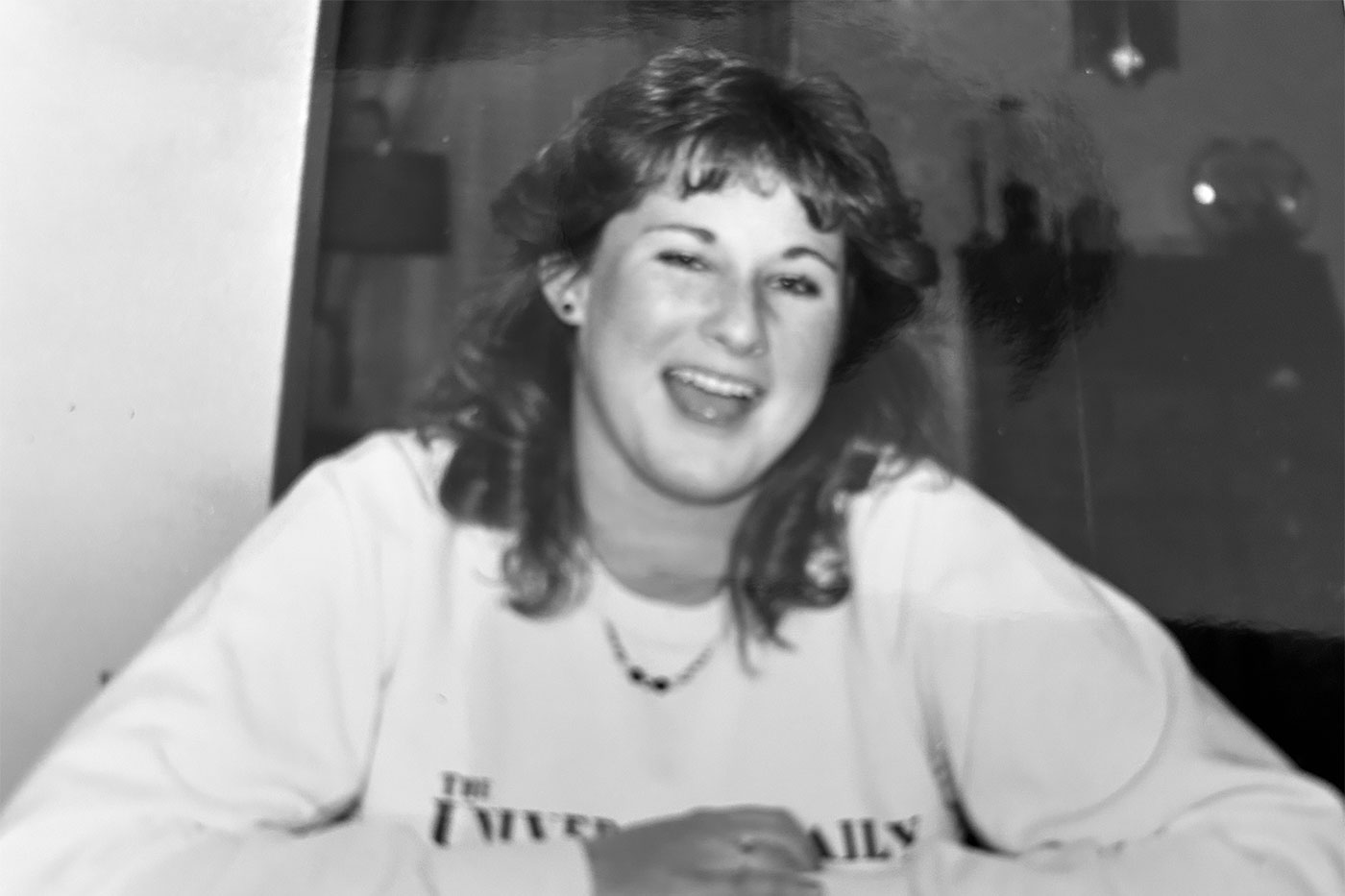
“The police chief at the time, Jay Parchman, took me under his wing,” she recalled. “He was a great source, both on and off the record, and taught me how to interview better by knowing what kinds of questions to ask.”
The more her byline was printed each week, the higher Rutherford climbed the ranks at The University Daily. She went from the police reporter to a general assignments reporter and liked the position so much that she dreamed to fill such a role at a major newspaper one day.
Fellow staff writer Kent Best also couldn’t help but notice Rutherford had the “star quality” it would take to achieve that feat.
“You could just see it in her,” he recalled. “She had tenacity, passion, smarts and great news judgment – all the traits of a good journalist. She set a high bar for all of us, then and ever since.”
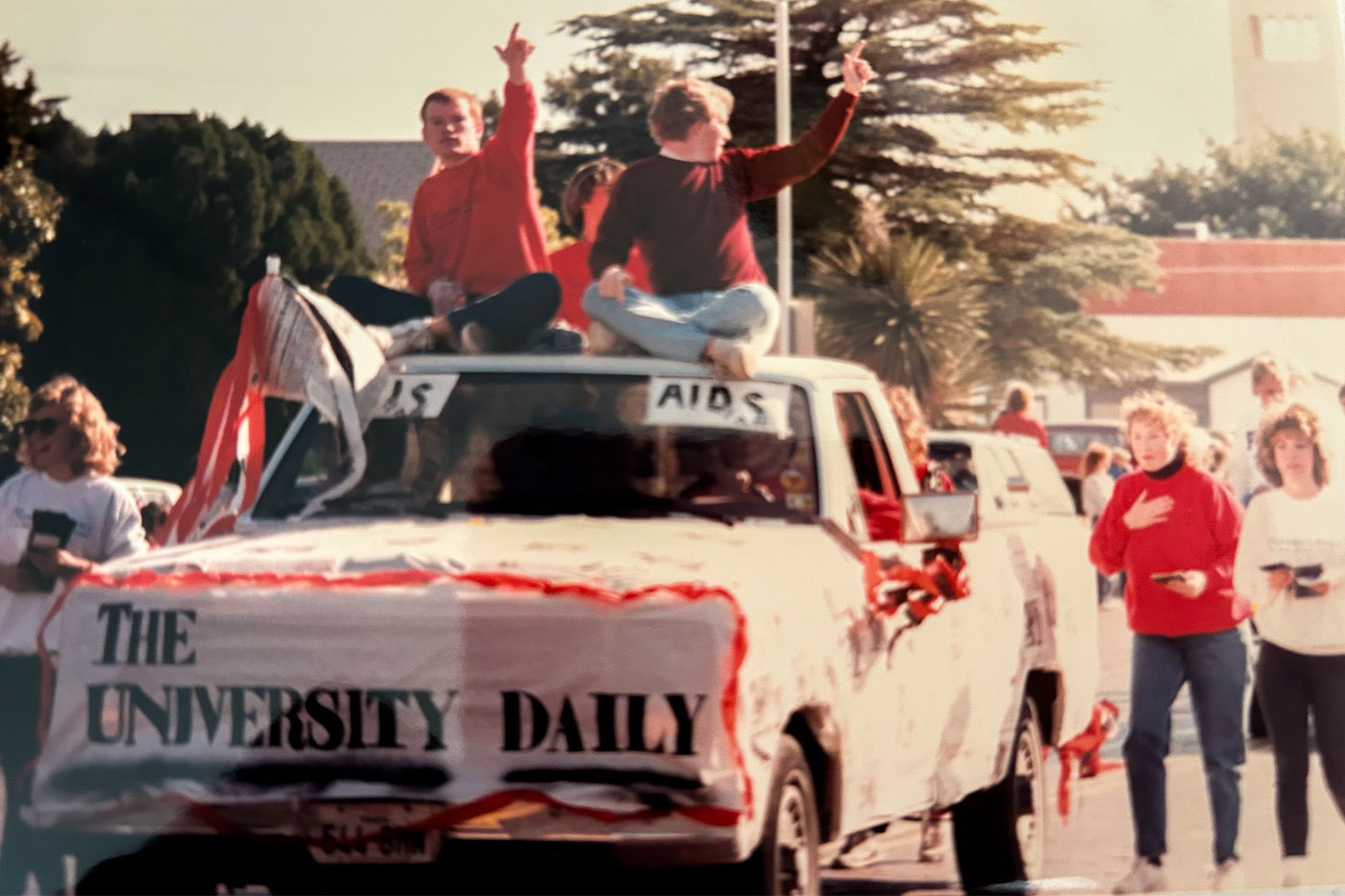
Rutherford’s proven leadership skills helped her become managing editor and then editor in 1987, the summer before her senior year. She retained that title even after the full staff returned from break.
Along the way, she believes she developed into a stronger editor than writer.
“I like being able to motivate and inspire other people – that’s one of the things about editing that I love so much,” she stated. “It’s getting to influence other people’s work and show them what they are capable of doing.”
Haynes never doubted the publication was in good hands with Rutherford in charge.
“She knew what she wanted done for the newspaper, and she knew how to motivate the staff,” he remembered. “She didn’t want to settle for mediocrity.”
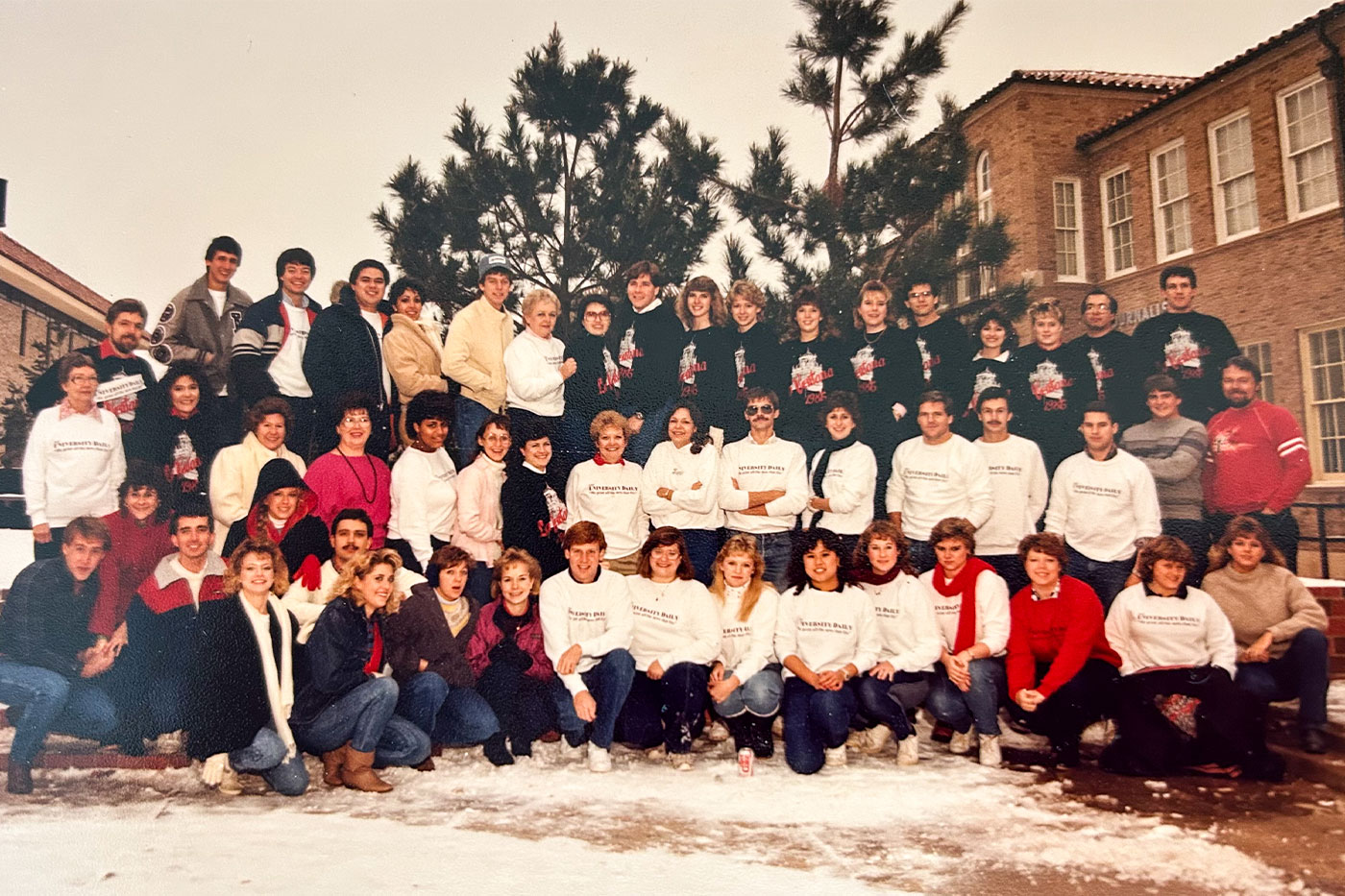
Rutherford already had a lot on her plate as she “scrimped” to not be a financial burden on her mother, and even more, to set an example for her little sister.
“I just felt like, ‘I’ve got to go make this work because if I can make it work, then she will see that she can make it work,’” Rutherford revealed.
But the added responsibility and weight on her shoulders was worth it to Rutherford because it quenched her insatiable appetite for learning and overcoming challenges.
Rutherford’s vision was to drive The University Daily to produce more hard-hitting journalism. She wanted to help the reporters craft stories that left no questions unanswered, with respect to their unique writing voices.
She developed so much pride in the publications that ensued that she made sure to submit them for consideration in national competitions. Sure enough, it wasn’t long before Haynes granted her permission to frame the certificates and awards along the walls of the newsroom.
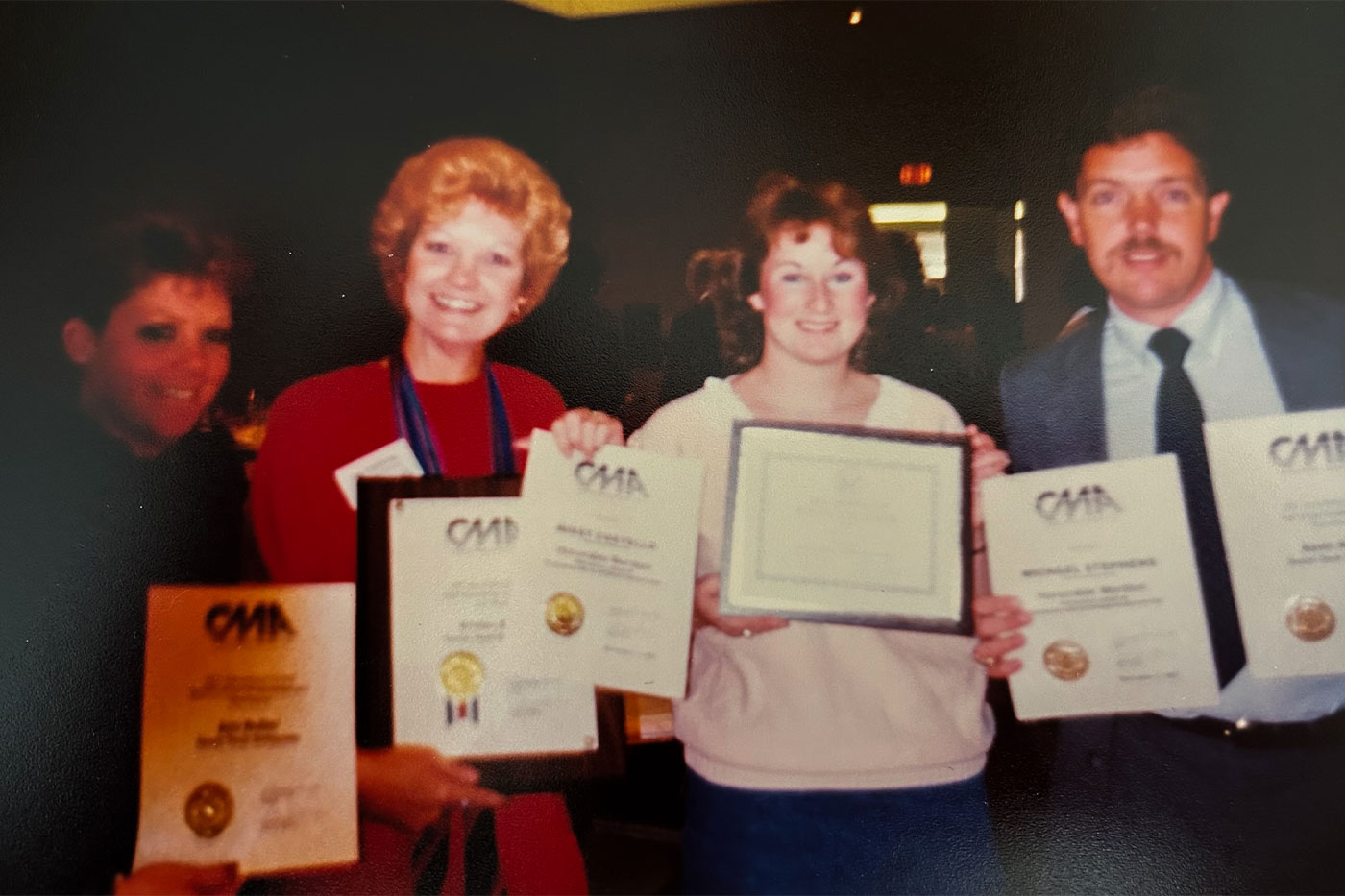
Her selfless nature shone in how Rutherford cheered for her reporters like Michelle Bleiberg, whose investigative article won a Hearst Journalism Award. Rutherford describes this honor as the collegiate equivalent of a Pulitzer award, and she couldn’t have been prouder.
“The certificates and awards that rimmed the newsroom were a great reminder of what we were accomplishing as we were trying to learn how to be good journalists,” she explained.
By the time Rutherford faced her graduation in 1988, she credited The University Daily for gaining her a network of mentors, best friends and pertinent work experience that landed her a prestigious job at Newsweek in New York City.
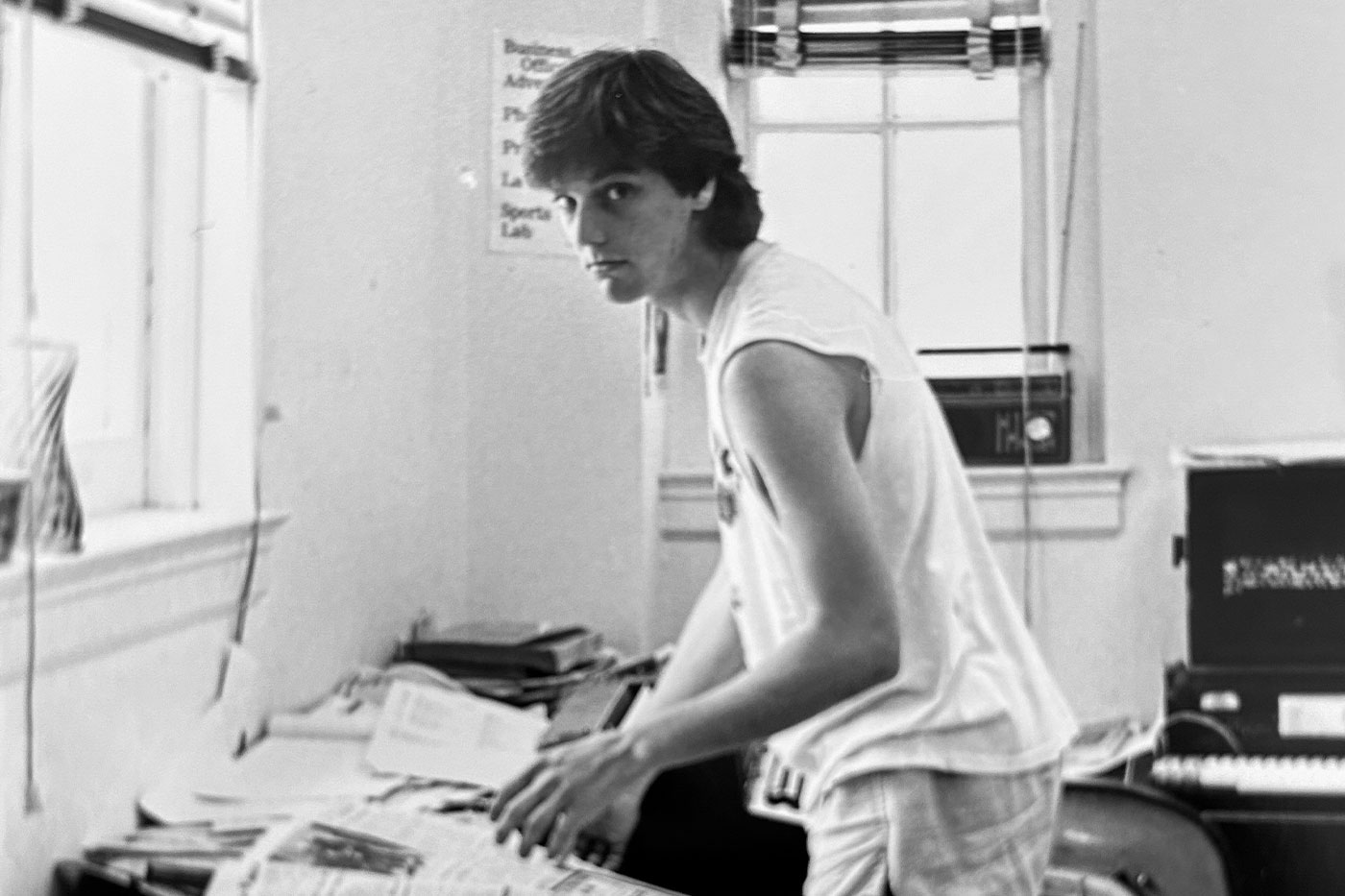
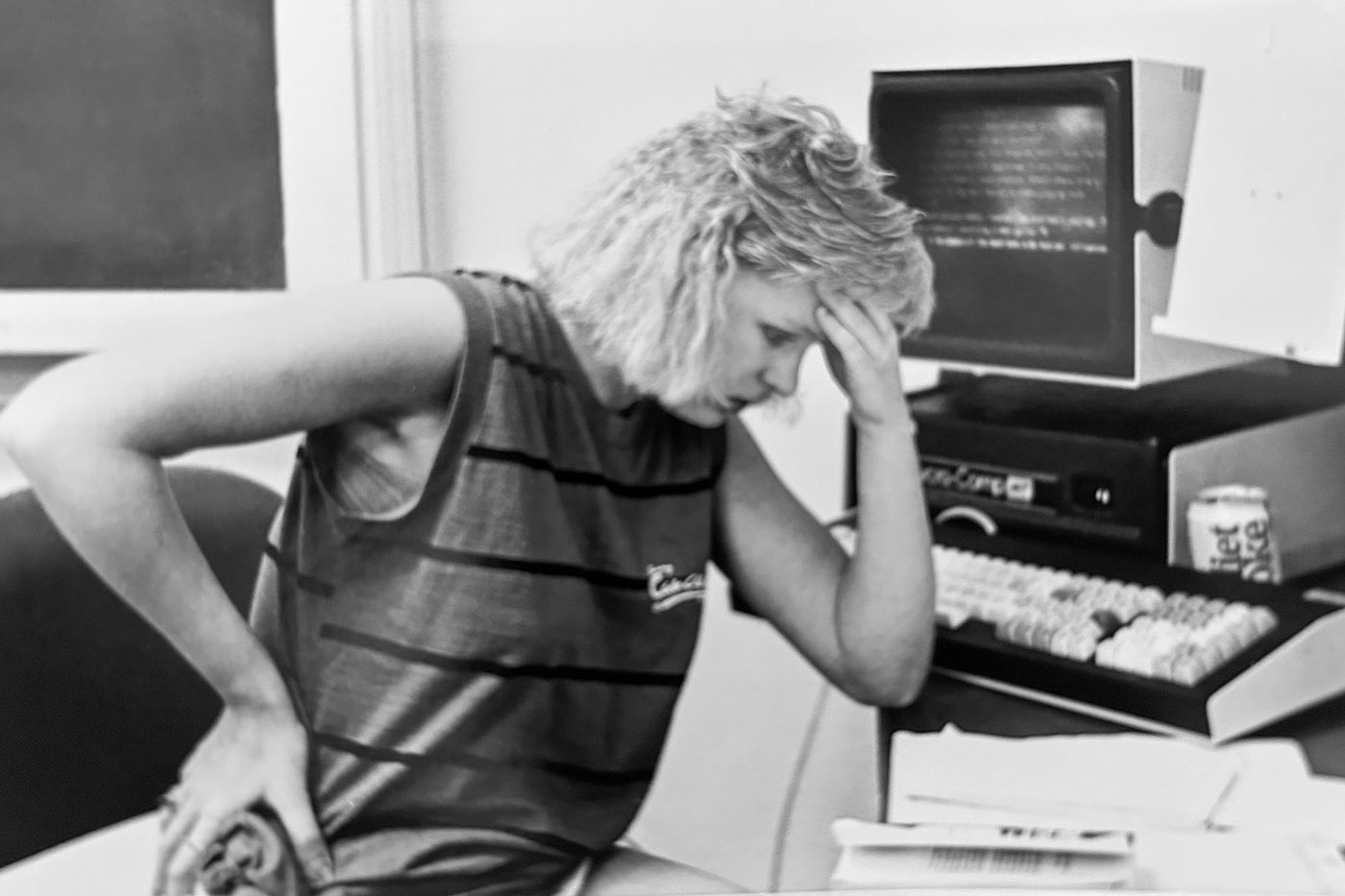
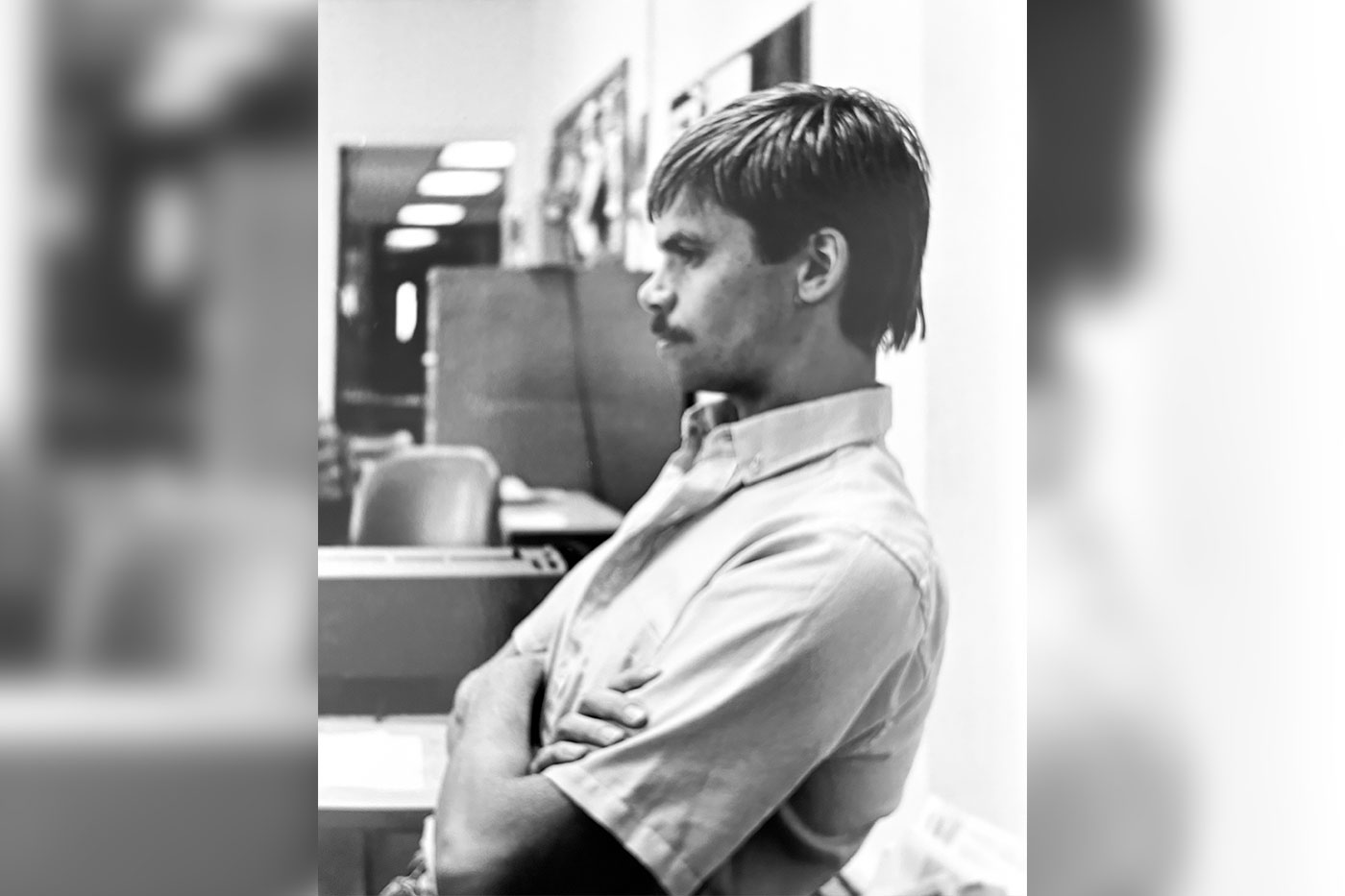
“I felt like all the experience that I had gotten interviewing people – talking to university officials, elected officials, the City Council and police department in Lubbock – all of those interactions helped build that experience to where I had a level of confidence coming out of college that not everybody has the chance to get.”
Even better, Rutherford had provided inspiration for her sister, who attended Texas Tech in pursuit of a Restaurant, Hotel & Institutional Management degree (but ended up graduating closer to home from the University of North Texas).
Soaring with Southwest Airlines
Rutherford had achieved a milestone, earning the first college degree in her family. Now, she needed to prove its payoff as she joined the hustle and bustle of New York City.
She reported for Newsweek for a little more than six months and then made her return to the Lone Star State, much to her mother’s relief. Her next gigs were for various publications such as the Carrollton Chronicle, the Farmers Branch Times, Irving Daily News and finally the Dallas Times Herald until the Dallas Morning News bought it in 1991 and shut it down.
“At that point, I think I was 25 years old,” she recounted. “I had this amazing journalism career going, I had landed at a major metropolitan paper and it was all going great. I was like, ‘Now, what am I going to do?’”
The market was flooded with her former coworkers, all competing for the same journalism jobs. But thanks to Rutherford’s role as the airline beat reporter for the Herald, she had developed a great working relationship with the Dallas/Fort Worth-based airlines.
While all the airlines offered her free travel to and from her job interviews, Southwest Airlines went one step further.
“They said, ‘Hey, we have an entry-level opening for a public relations coordinator. Would you be interested in interviewing?’” she recalls. “And I was like, ‘Sure!’ But I remember later thinking, ‘Public relations? What the heck is that?’”
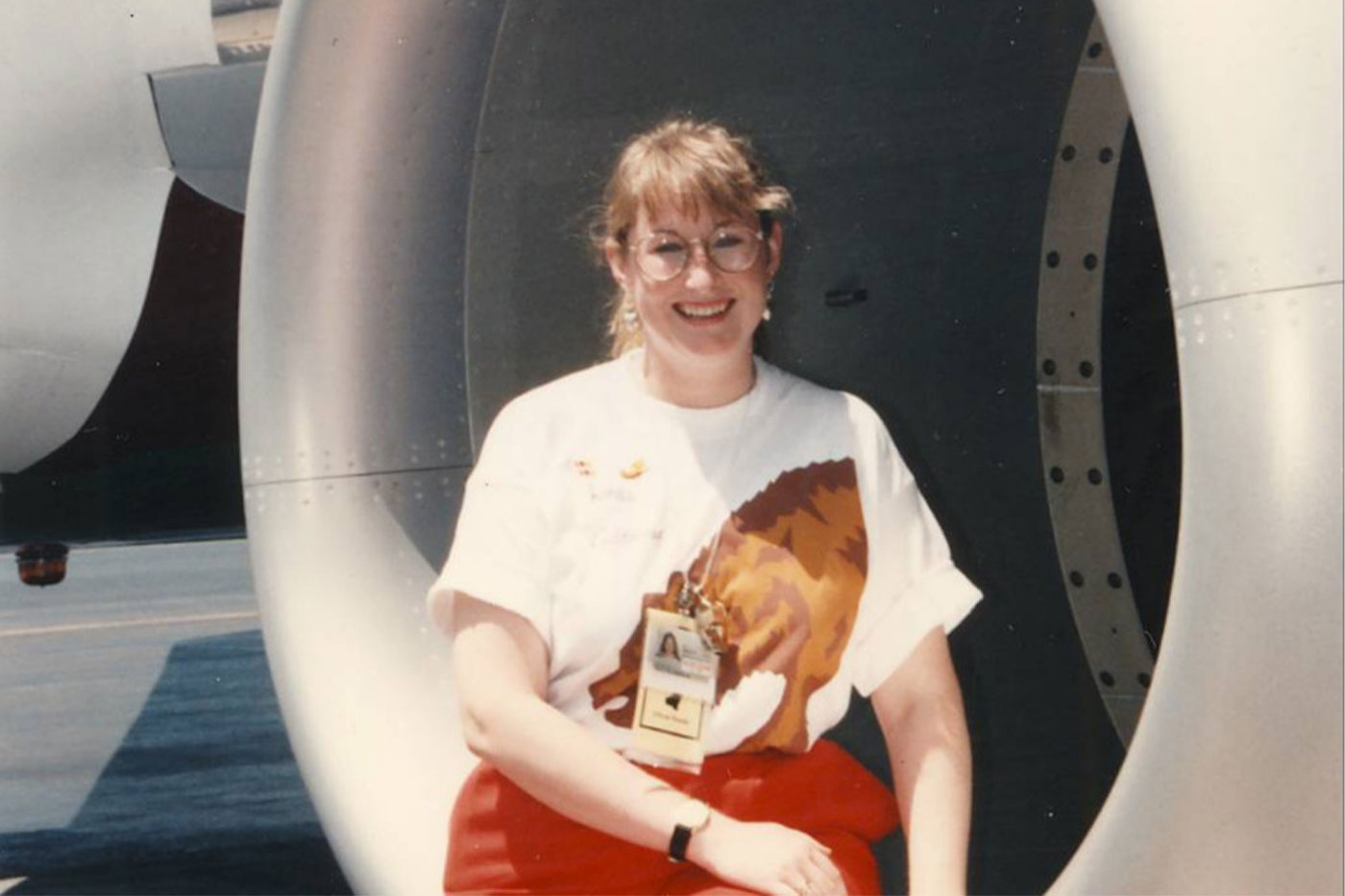
The position meant Rutherford would trade positions, moving from behind the microphone to in front, serving more as a source than a reporter. She was the face of special events, new airport openings and ribbon cuttings, even getting to pitch feel-good stories to reporters using her news judgment skills.
It helped that Rutherford fell in love with the brand she represented.
“Southwest Airlines was a disruptor in the airline industry,” she said. “It had crazy personalities like Herb Kelleher, the CEO at the time, and the people were very special. I had a very influential boss whose name was Ginger Hardage, who also was a Texas Tech grad, and I think she really sparked my interest in leadership and in guiding others. She was such a great example, and so that sort of lit the fire under me wondering, ‘What else could I do?’”
Rutherford would soar with the airline to new heights over 30-plus years through various forms of storytelling. She became a wife and mother along the way as she launched projects that included introducing Southwest to long-form content, three seasons of an A&E series called “Airline” and the creation of social media profiles for the company.
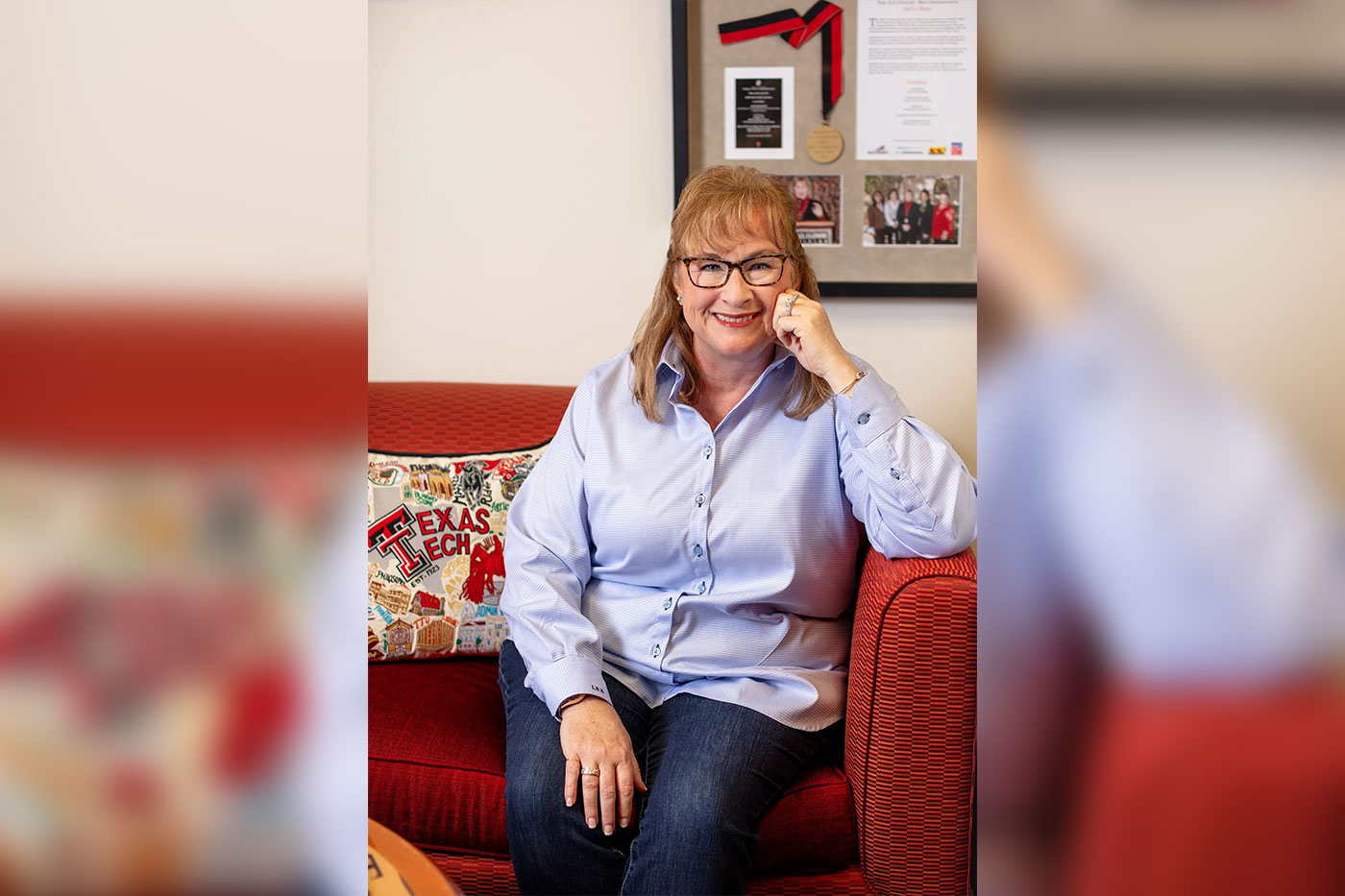
This was the beginning of a robust social strategy in which Southwest Airlines began to engage with customers through digital platforms.
“We use X to help solve customer problems, and we use Facebook to interact with our customers and tell them about new fares and new destinations,” she explained. “I’m so glad I had the chance to help develop that entire strategy for the company.”
Rutherford was promoted up the chain of command with time and moved from roles where she led the company’s communication strategy to leading several department leaders as the chief administration officer in 2022. Rutherford’s loyalty to Southwest, serving its people and customers, was modeled to her powerful teams as they kept the brand elevated despite any turbulence experienced along the way.
As she transitioned to more senior leader roles, Rutherford said she had to pivot from “doing to leading.”
“I always say it’s about attitude and altitude,” she said. “You’re operating at a different altitude because you’re not guiding the day-to-day; you’re really focused more on long-term strategy, asking ‘What does the business need to succeed?’”
Rutherford built more than a career at Southwest Airlines; she also formed long-lasting memories, friendships and a strong network that made it feel like a privilege to come to work.
As she coasted into her retirement from a full-time leadership position at Southwest this past April, she reflected fondly on her proudest achievements: the people she poured into from the ground level up.

Similarly to her time editing and influencing the work of The University Daily reporters, Rutherford motivated her Southwest coworkers to reach their full potential.
“I was able to spark them to do some things I don’t know if they thought they were necessarily capable of, or even aspired to,” she said. “Being able to light that fire under them and see them now as senior vice presidents and vice presidents of the airline is super gratifying to me.”
Reaching Out to Red Raiders
Although Rutherford no longer fills a leadership position for Southwest, she still is employed by the company as an executive advisor. In this role, she works with the chief communications officer and CEO on messaging strategy and other projects as assigned.
But Southwest Airlines is not Rutherford’s sole advising role. Her free time allots her more opportunities to serve in a passion of hers: mentoring young minds, like the ones at her alma mater and other universities.
“I love anytime I can get back into the classroom because I love sharing experiences and getting people to be a little vulnerable and ask the questions that they might be afraid to ask others,” she said. “I just want to see if I can be helpful as people are thinking about what they want to do when they graduate and if they have what it takes to explore a career in communications or journalism.”
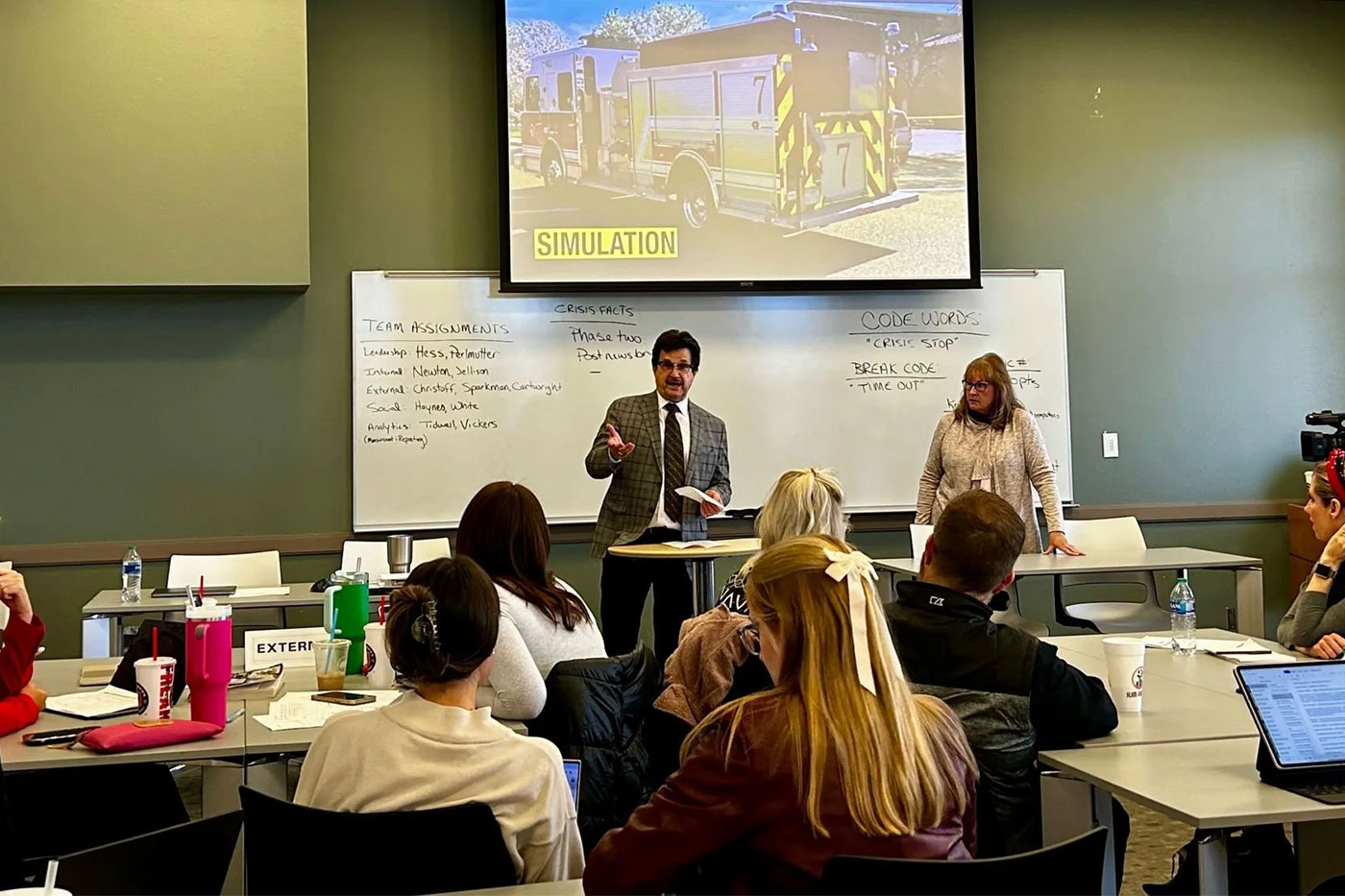
Rutherford has enjoyed visiting classrooms since the time former College of Media & Communication (CoMC) Dean Jerry Hudson asked her to join a group of alumni to serve as his advisers, helping shape curriculum for new degree programs.
Once she became part of CoMC’s National Advisory Board, Rutherford further promoted the recognition, welfare and progress of the college. The evolution of student media she has witnessed during her tenure has been nothing short of impressive as the university made investments in infrastructure and technology that continue to revolutionize student experiences.
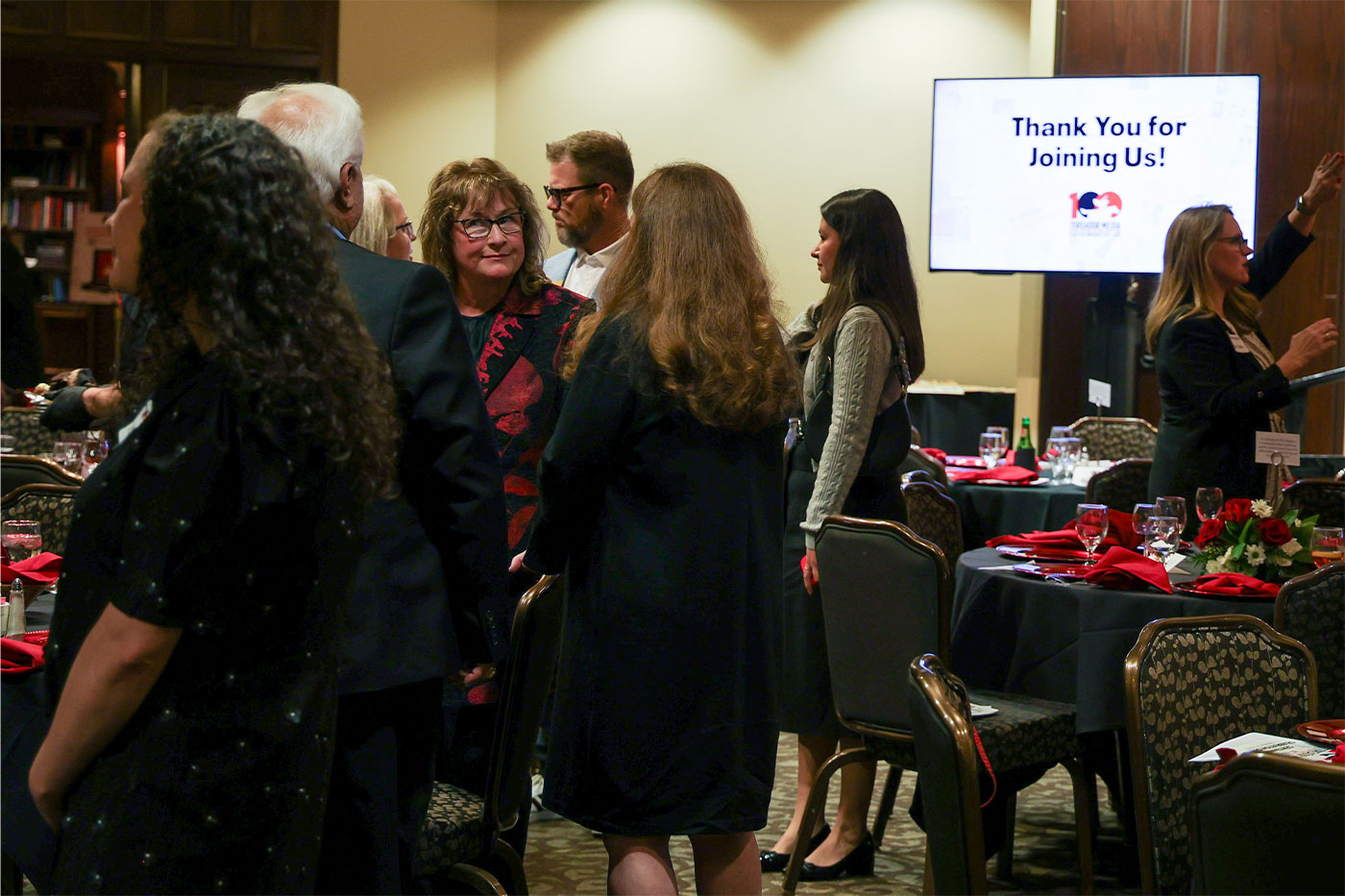
Other University Daily and Daily Toreador alumni got to take in these transformations during the newspaper’s 100th anniversary celebration in October, in which former staff members were invited back to their old stomping grounds for fellowship and a dinner ceremony.
The occasion reunited her with Haynes, Best, Bleiberg and other newsroom colleagues Rutherford created so many milestones and memories with during the ‘80s. It was a time to discuss not only good times and headlines, but the ways their work at the newspaper launched their careers.
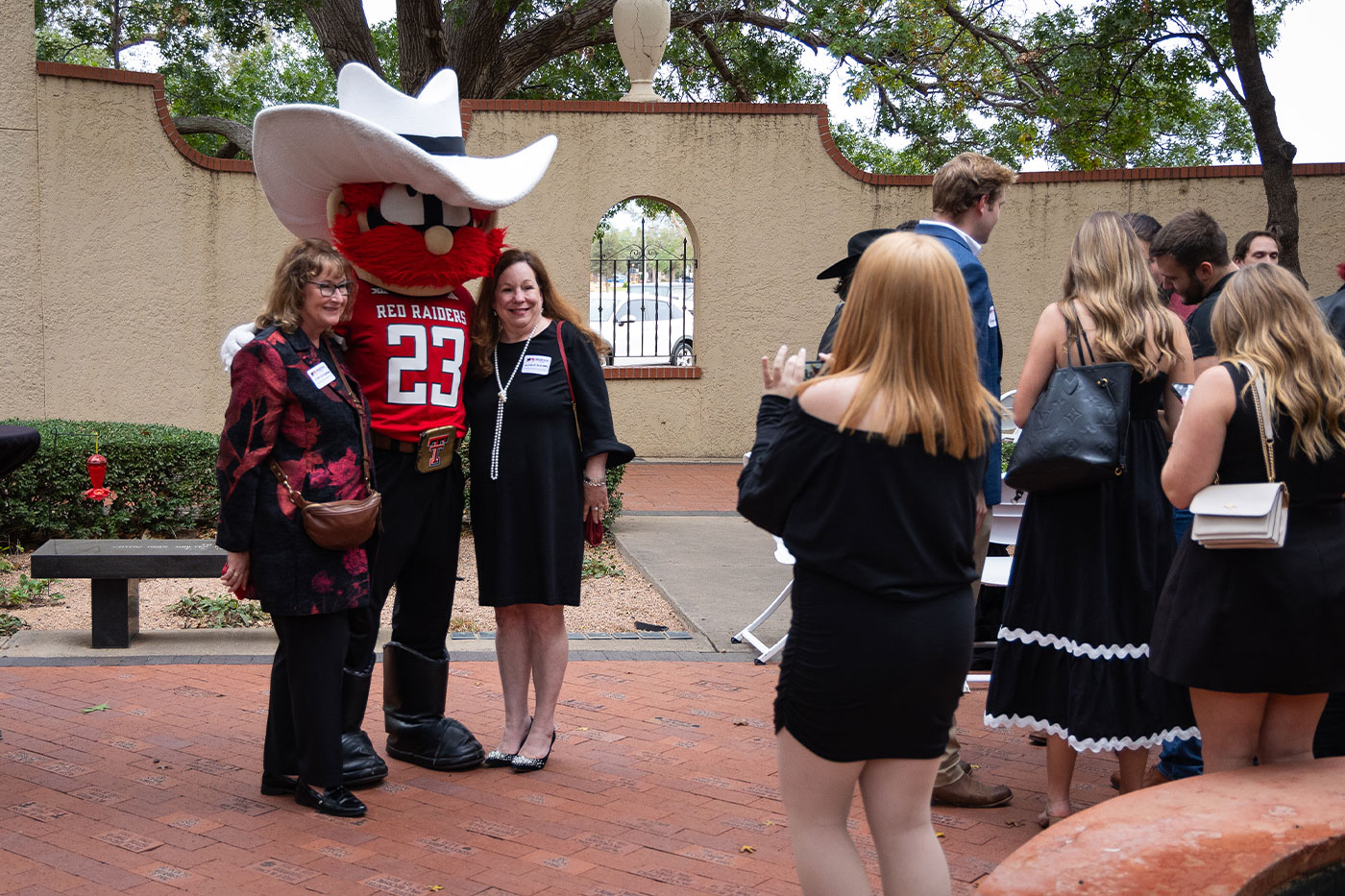
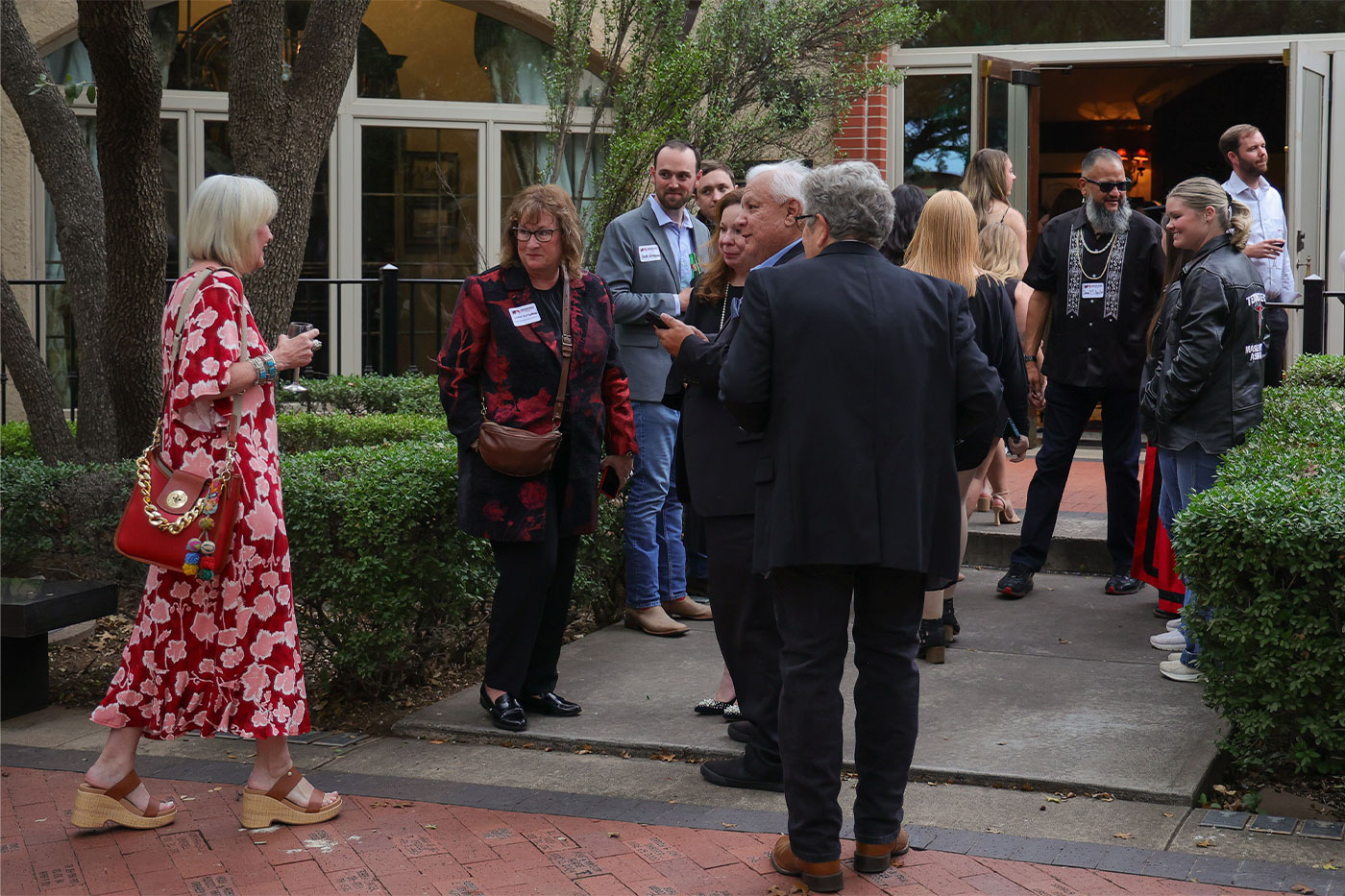
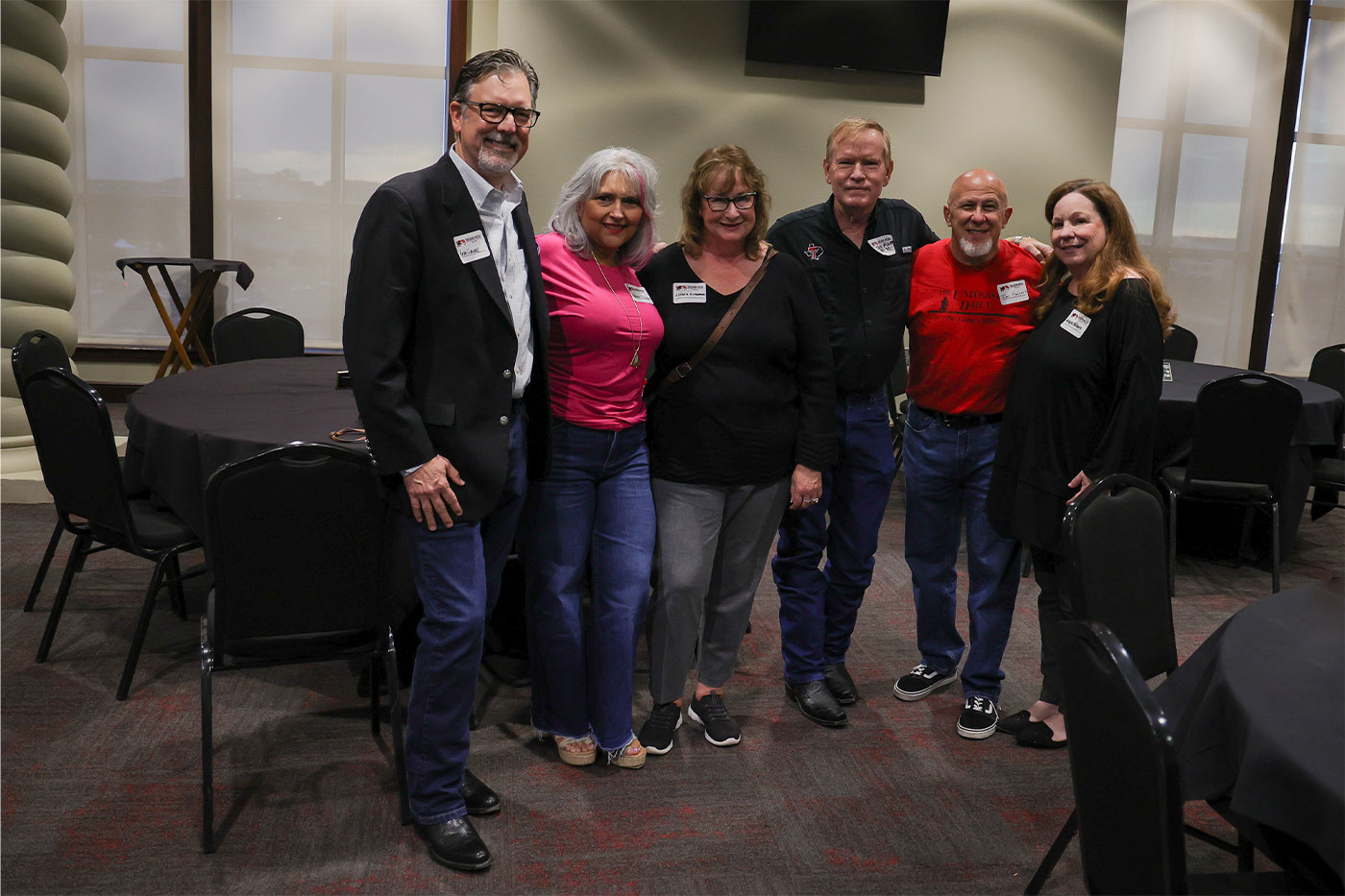
“Our experience at the newspaper gave us this great book of work to share with prospective employers, and we shared a great sense of pride in that,” Rutherford said.
While many of her former coworkers toured the previous buildings that housed The University Daily and CoMC, Rutherford and Bleiberg visited public relations classes as guest instructors.
Haynes knew all too well the classroom enrichment that took place that day. He went on to become a professor at Amarillo College for 25 years, and before he retired in 2016, he invited Rutherford to discuss her career in the media industry.
“She’s a good example of the wide variety of fields you can go into if you have a media degree,” he said. “Our students were impressed with her professionalism and her ability to communicate and just flocked around her to ask questions when it was over. She passed along her assertiveness to students by encouraging them to apply for scholarships and jobs and have confidence.”
Rutherford can see herself in many of the promising students she addresses. She knows how much pressure first-generation students carry, and the payoff of lifting that weight.
Her single parent made an initial investment in her that Rutherford made sure was not taken for granted. The pride that ensued only increased throughout Rutherford’s career moves as her mother read and clipped all her newspaper articles, then bound them into keepsake albums.
In the same sentimental fashion, more than 40 years later, Rutherford still has the wicker box that once encased her mother’s hard-earned savings. It’s a reminder of her takeoff point, and she established an endowed scholarship within CoMC to make sure the next generations have a similar chance to ascend despite adversity.
“To people who are thinking about college – to first generation students in particular – a degree will open doors that no other experience will,” she assured. “If you’re wondering how you’re going to make it, just turn over every rock for potential resources and believe in yourself.”
The Daily Toreador offers paid positions each semester for students interested in gaining experience as a news, sports or feature reporter, graphic designer, photographer or videographer.